- The Camping Family Home
- Best Camping Destinations
- Best Winter Camping Destinations in Canada
Helping campers since 2011
Best Winter Camping Destinations in Canada
Best Winter Camping Destinations in Canada
If you've ever thought about winter camping in Canada, you're in for an incredible adventure. There's something magical about waking up to a snow-covered landscape, breathing in crisp, cold air, and experiencing the wilderness in its most peaceful season.
Canada offers some of the most spectacular winter camping opportunities in the world, from the Rocky Mountains to coastal rainforests. Whether you're a seasoned winter camper or planning your first cold-weather trip, this guide will help you discover the best winter camping destinations in Canada and give you the confidence to embrace the chill.
KingCamp Camping Equipment
BIG SALE!
Check out the current sale at KingCamp! Up to 40% off high-quality camping gear, tents, chairs, sleeping equipment, camping kitchens and more....all your outdoor essentials!
Click here to find your bargains!

Best Winter Camping Destinations in Canada
Banff National Park, Alberta
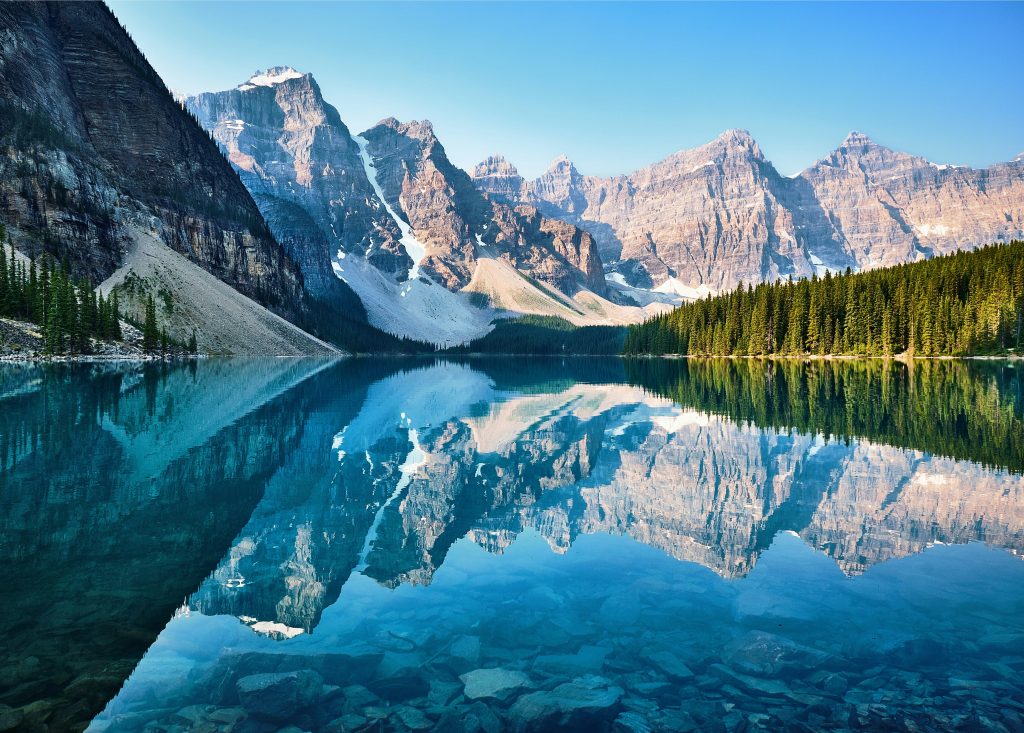 Banff National Park, Alberta - photo courtesy Wild North
Let's start with one of the most iconic destinations: Banff National Park in Alberta. This place is absolutely stunning in winter, with snow-capped peaks, frozen lakes, and endless opportunities for adventure. The park offers several campgrounds that stay open year-round, including Tunnel Mountain Village II, which provides winter camping with basic amenities.
You'll have access to incredible activities like ice skating on Lake Louise, snowshoeing through pristine forests, and soaking in the nearby hot springs after a cold day outdoors. The scenery alone makes Banff one of the top winter camping destinations in Canada.
Algonquin Provincial Park, Ontario
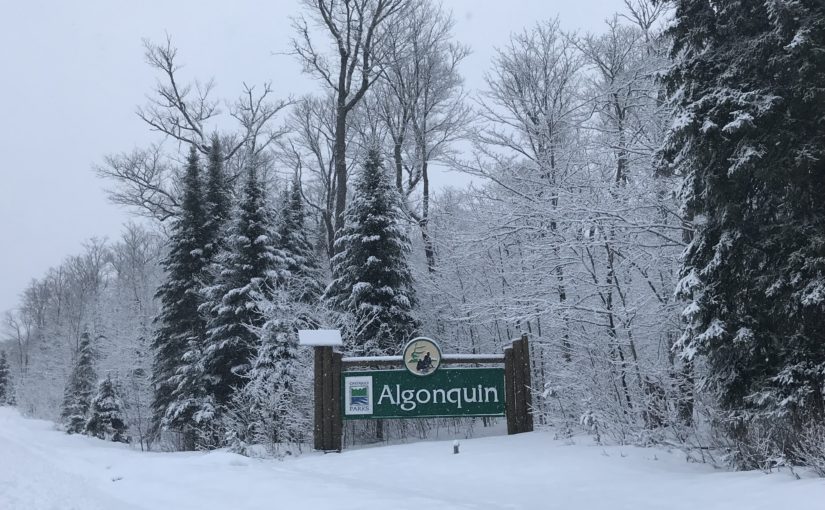 Algonquin Provincial Park, Ontario
Moving eastward, we find Algonquin Provincial Park in Ontario, which transforms into a winter wonderland from December through March. This park is perfect for those who want a true backcountry experience without traveling too far from major cities like Toronto or Ottawa.
The Park offers both front-country camping at Mew Lake Campground and incredible backcountry opportunities accessible by snowshoe or cross-country ski. The silence of Algonquin in winter is profound, broken only by the occasional howl of wolves or the call of a raven overhead.
Pacific Rim National Park Reserve, Vancouver Island
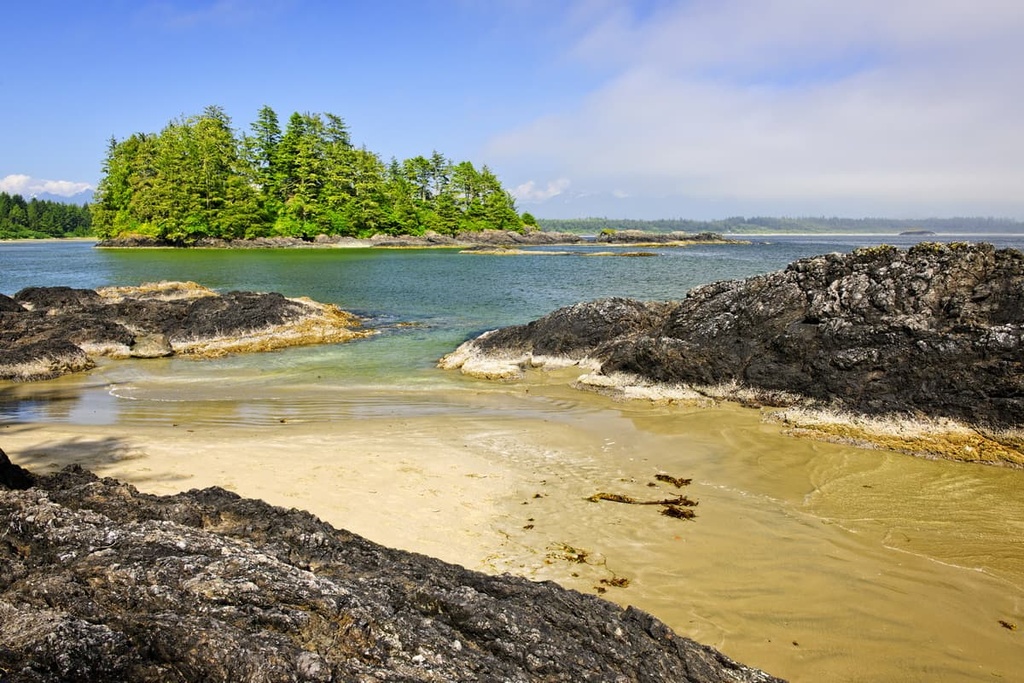 Pacific Rim National Park Reserve
For those seeking a milder winter camping experience, Pacific Rim National Park Reserve on Vancouver Island offers a completely different vibe. The coastal climate means you'll encounter rain more often than snow, but temperatures rarely drop below freezing.
Green Point Campground remains open year-round, giving you access to dramatic storm-watching opportunities, beach walks, and temperate rainforest trails. It's one of the popular winter camping Canada destinations for people who want to experience winter without the extreme cold.
Parc National de la Mauricie, Quebec
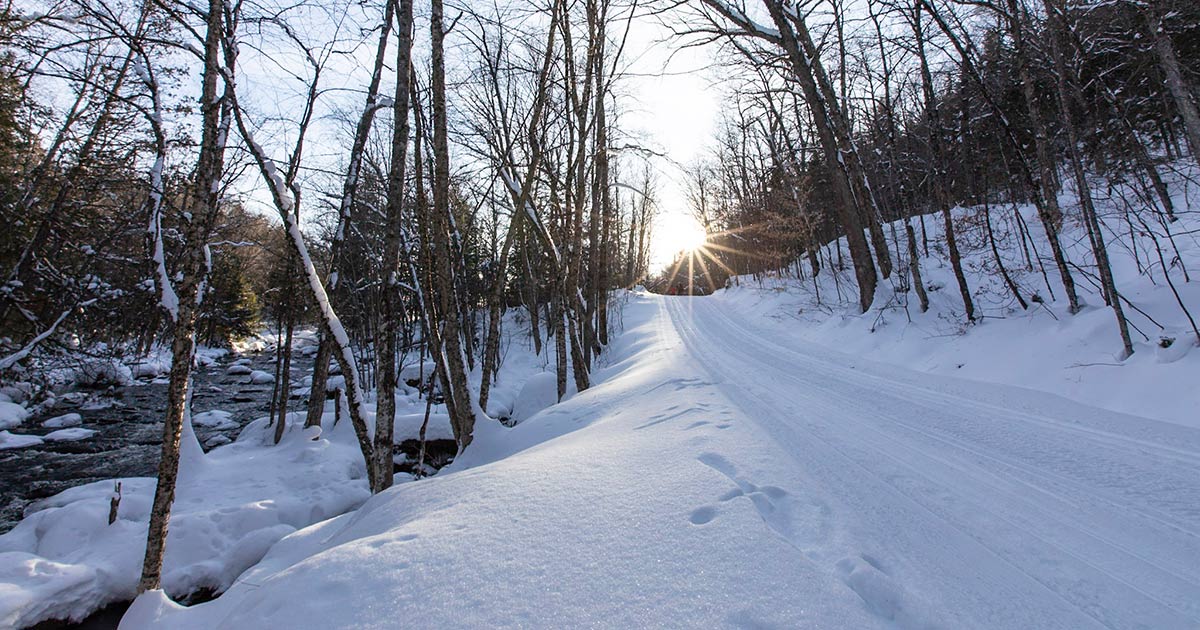 Parc National de la Mauricie, Quebec
Quebec's Parc National de la Mauricie deserves a spot on any winter camping list. This park offers ready-to-camp accommodations called "oTENTiks" – a cross between a tent and a cabin – which are perfect for winter camping beginners who aren't quite ready to sleep in a tent at -20°C.
The park features over 80 kilometers of cross-country ski trails, snowshoeing paths, and ice fishing opportunities. The French-Canadian hospitality and the park's stunning frozen waterfalls create an unforgettable experience.
Tombstone Territorial Park, Yukon
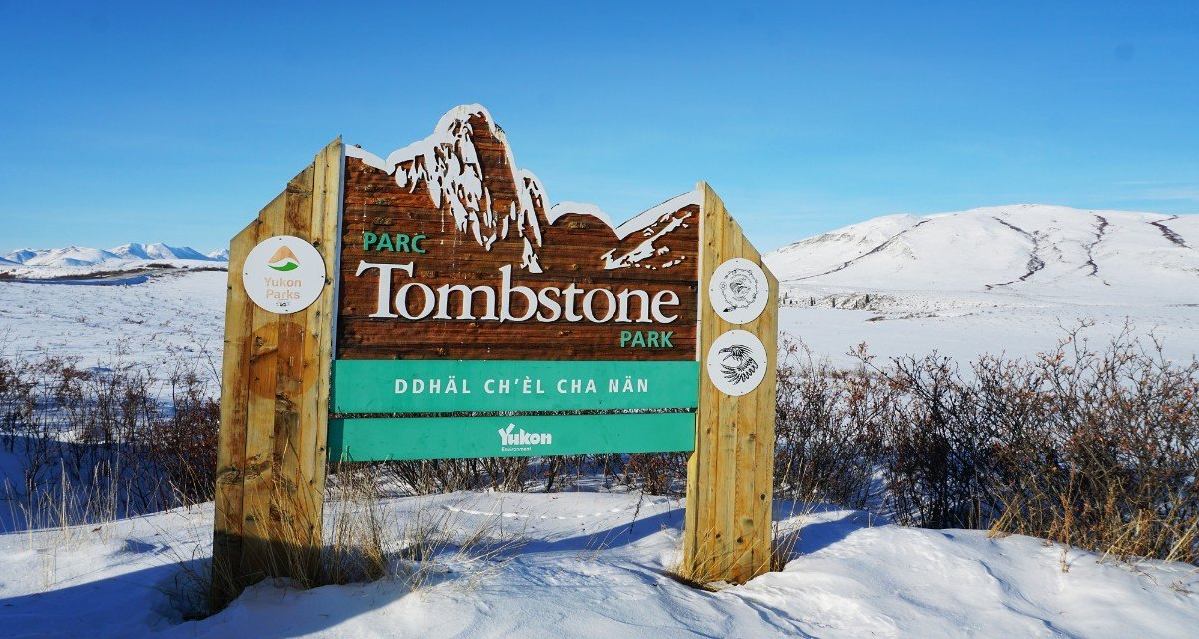
If you're looking for something truly remote and adventurous, consider Tombstone Territorial Park in Yukon. This destination is for experienced winter campers who want to test their skills in one of Canada's most dramatic landscapes.
The park doesn't have developed campgrounds in winter, so you'll be setting up camp wherever you find suitable terrain. The reward? Incredible opportunities to see the Northern Lights dancing across the sky, jagged mountain peaks that look like something from another planet, and solitude that's hard to find anywhere else.
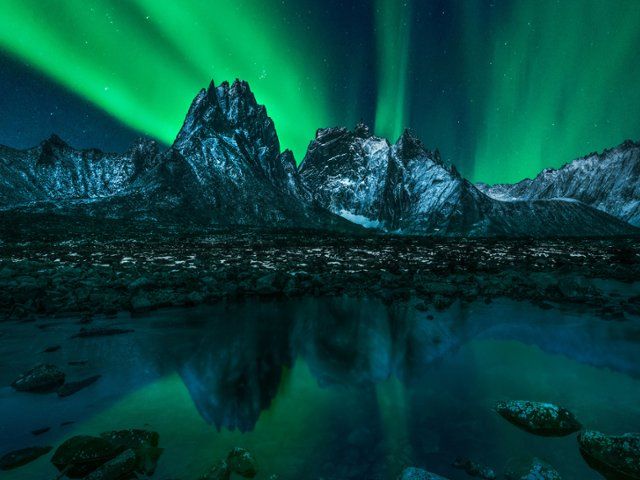 Northern lights over Tombstone Park
Jasper National Park, Alberta
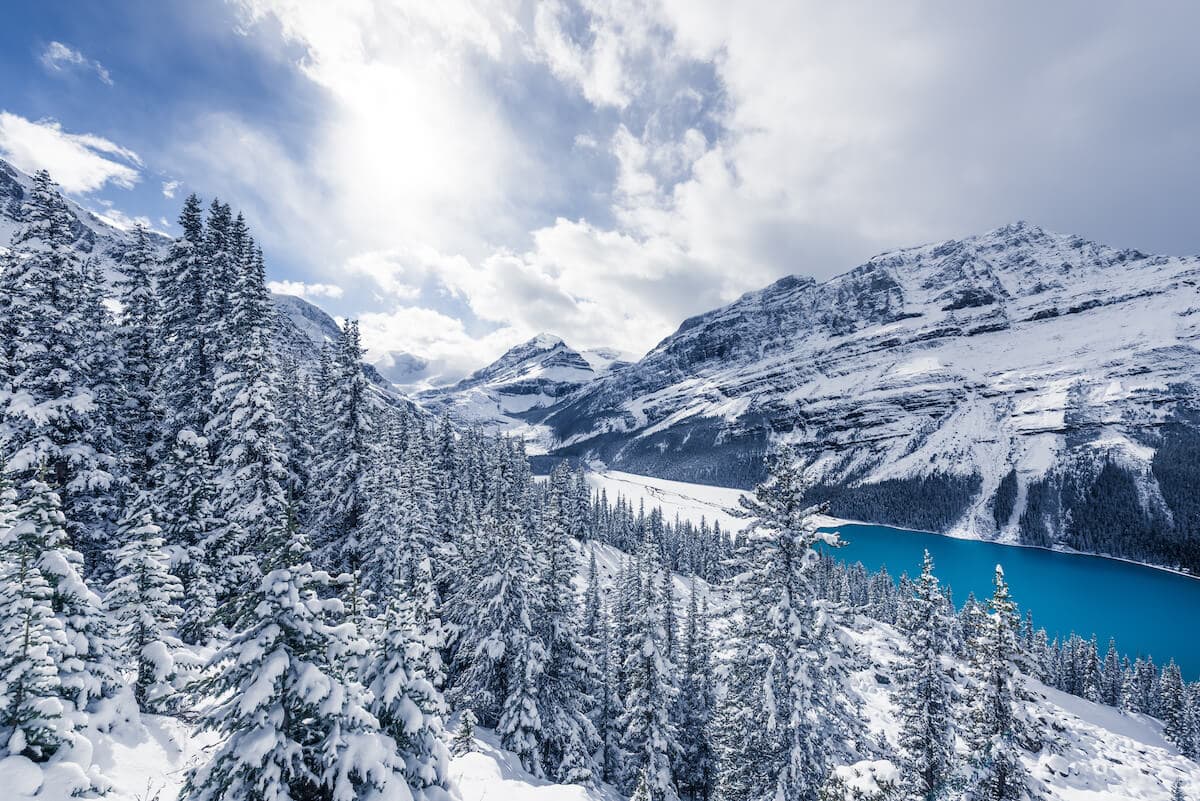 Beautiful Jasper National Park - image courtesy Bearfoot Theory
Jasper National Park, Banff's northern neighbor, offers equally spectacular winter camping with fewer crowds. The park's Wapiti Campground stays open year-round and provides a great base for exploring the area.
You can spend your days skiing at Marmot Basin, soaking in Miette Hot Springs, or taking a guided ice walk through Maligne Canyon. The wildlife viewing in Jasper during winter is exceptional – you might spot elk, bighorn sheep, or even wolves if you're lucky.
Gros Morne National Park, Newfoundland
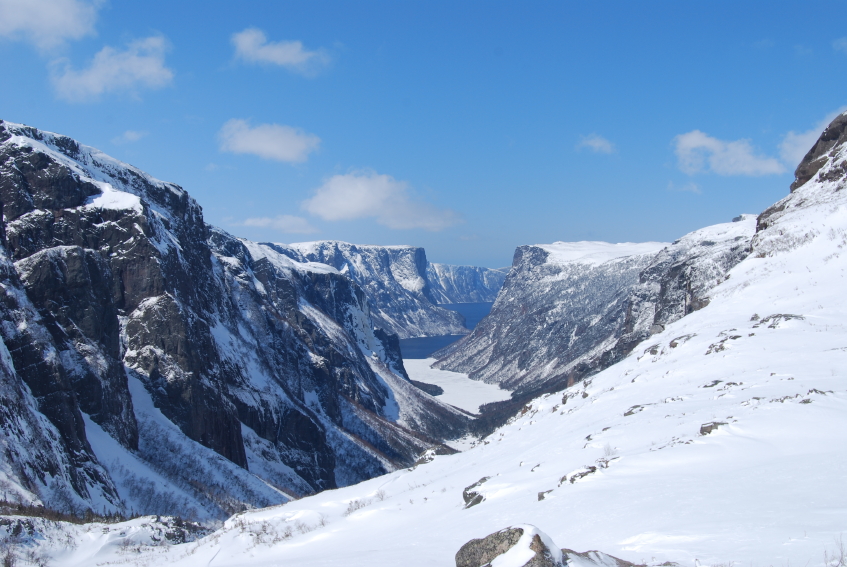 Gros Morne National Park
For those in Atlantic Canada, Gros Morne National Park in Newfoundland provides a unique winter camping experience. The park's dramatic fjords and coastal mountains create a landscape unlike anywhere else in Canada.
While most campgrounds close for winter, the park offers winter camping opportunities at designated backcountry sites. The combination of ocean views, mountain terrain, and the possibility of spotting caribou makes this one of the best winter camping destinations in Canada for adventurous souls.
Prince Albert National Park, Saskatchewan
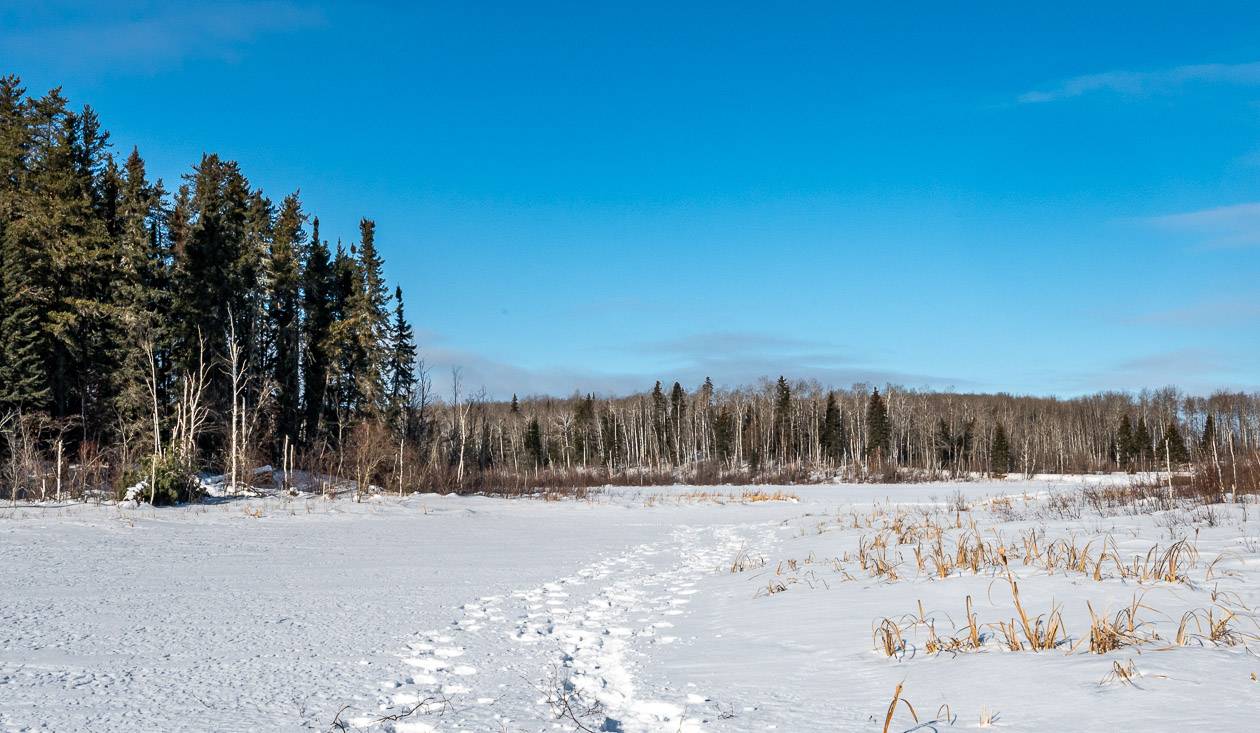 Prince Albert National Park, Saskatchewan
Saskatchewan's Prince Albert National Park offers excellent winter camping at the Narrows Campground on the shores of Waskesiu Lake. This park is perfect for families or groups looking for a winter camping experience with good facilities and plenty of activities.
The park features groomed cross-country ski trails, ice fishing opportunities, and the chance to see the Northern Lights. It's also one of the more affordable options for winter camping in Canada.
We think this would make a great family winter camping destination!
Best Winter Camping Destinations in Canada
Riding Mountain National Park, Manitoba
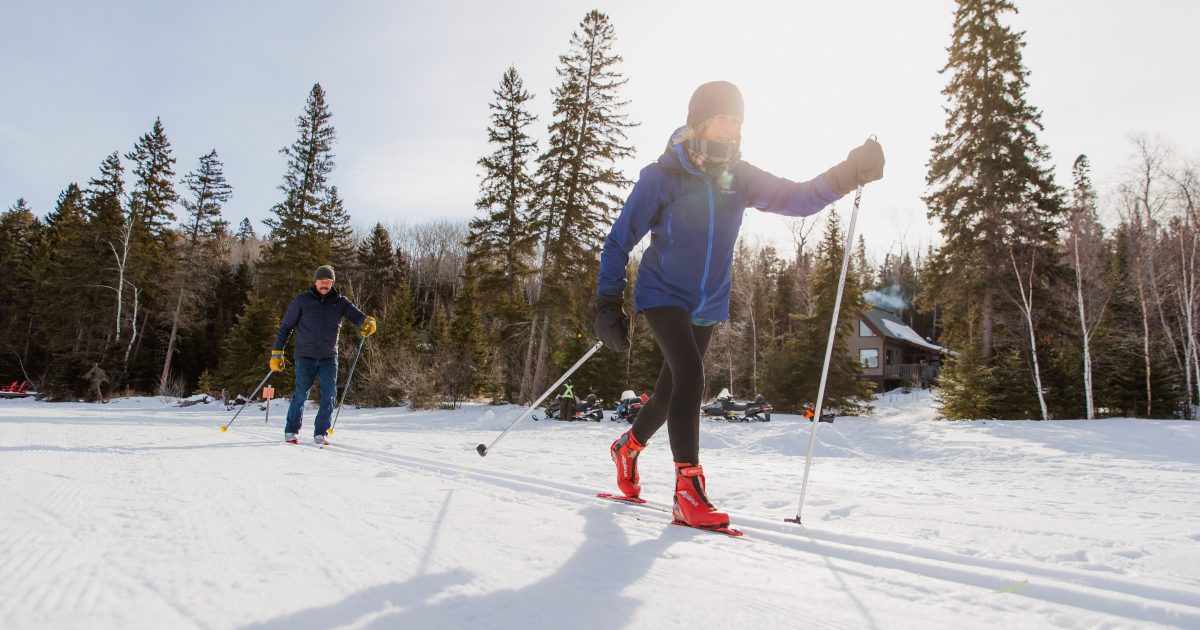 Cross country skiing in Manitoba - photo courtesy Travel Manitoba
One of the top winter camping destinations in Canada that deserves special mention is Riding Mountain National Park in Manitoba. This park offers winter camping at the Wasagaming Campground with access to over 200 kilometers of trails for cross-country skiing and snowshoeing.
The park sits on the Manitoba Escarpment, creating diverse terrain and excellent wildlife viewing opportunities. You might see bison, elk, moose, and wolves during your visit.
Cape Breton Highlands National Park, Nova Scotia
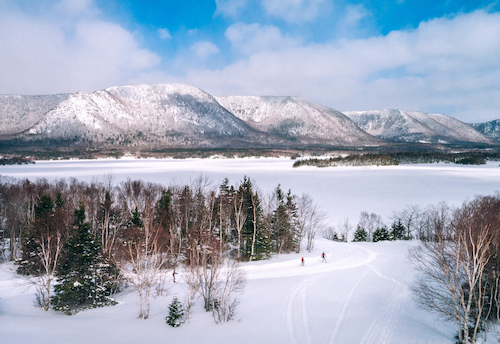 Cape Breton Highlands National Park, Nova Scotia
Cape Breton Highlands National Park in Nova Scotia offers spectacular winter camping for those willing to brave the Atlantic weather. The park's dramatic coastal cliffs covered in snow and ice create stunning scenery. While most campgrounds close in winter, the park allows winter camping in designated areas.
The Skyline Trail, one of Canada's most famous hikes, takes on a completely different character in winter with snow-covered barrens and the possibility of spotting eagles soaring over the frozen coastline.
Kluane National Park and Reserve, Yukon
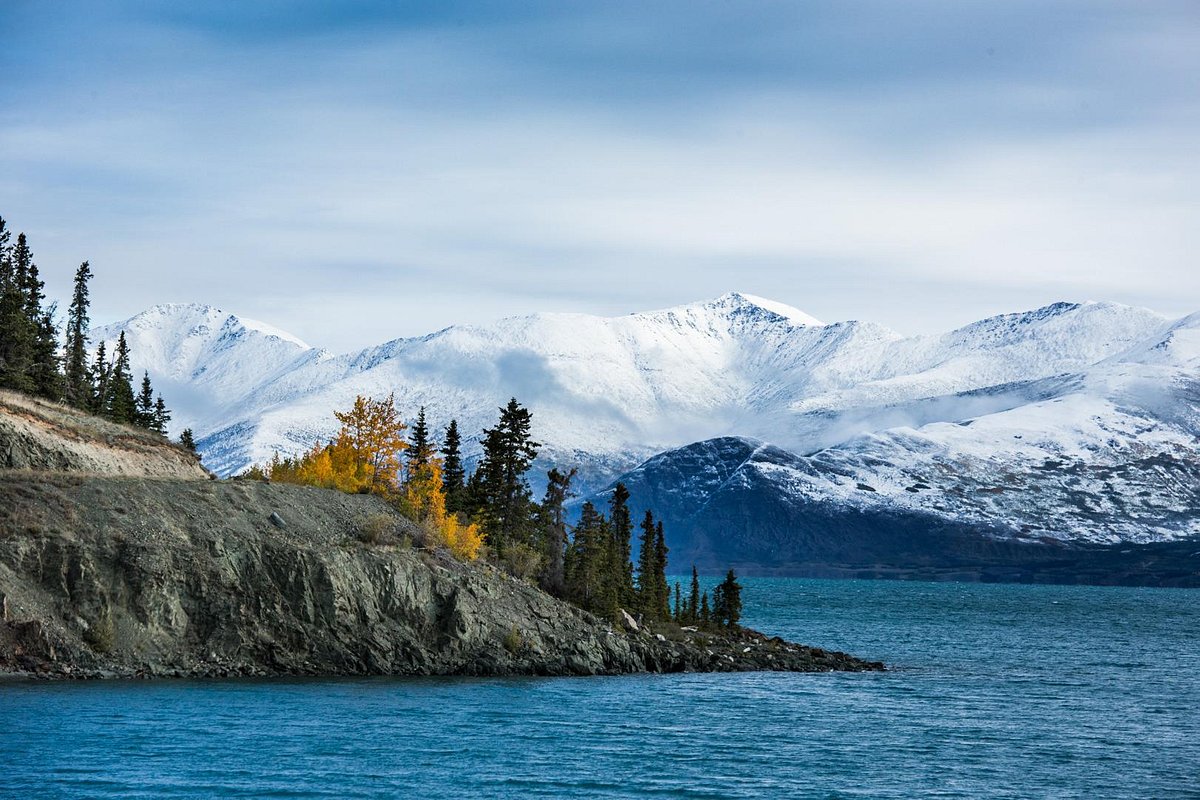 Kluane National Park and Reserve, Yukon
Let's not forget about Kluane National Park and Reserve in Yukon, home to Canada's highest peak, Mount Logan. This park offers serious winter camping for experienced adventurers. The landscape is dominated by massive glaciers and ice fields, creating an otherworldly environment.
Winter camping here requires advanced skills, proper equipment, and often involves traveling by ski or snowshoe to reach camping areas. The reward is experiencing one of the most pristine wilderness areas on Earth.
Winter Camping Tips
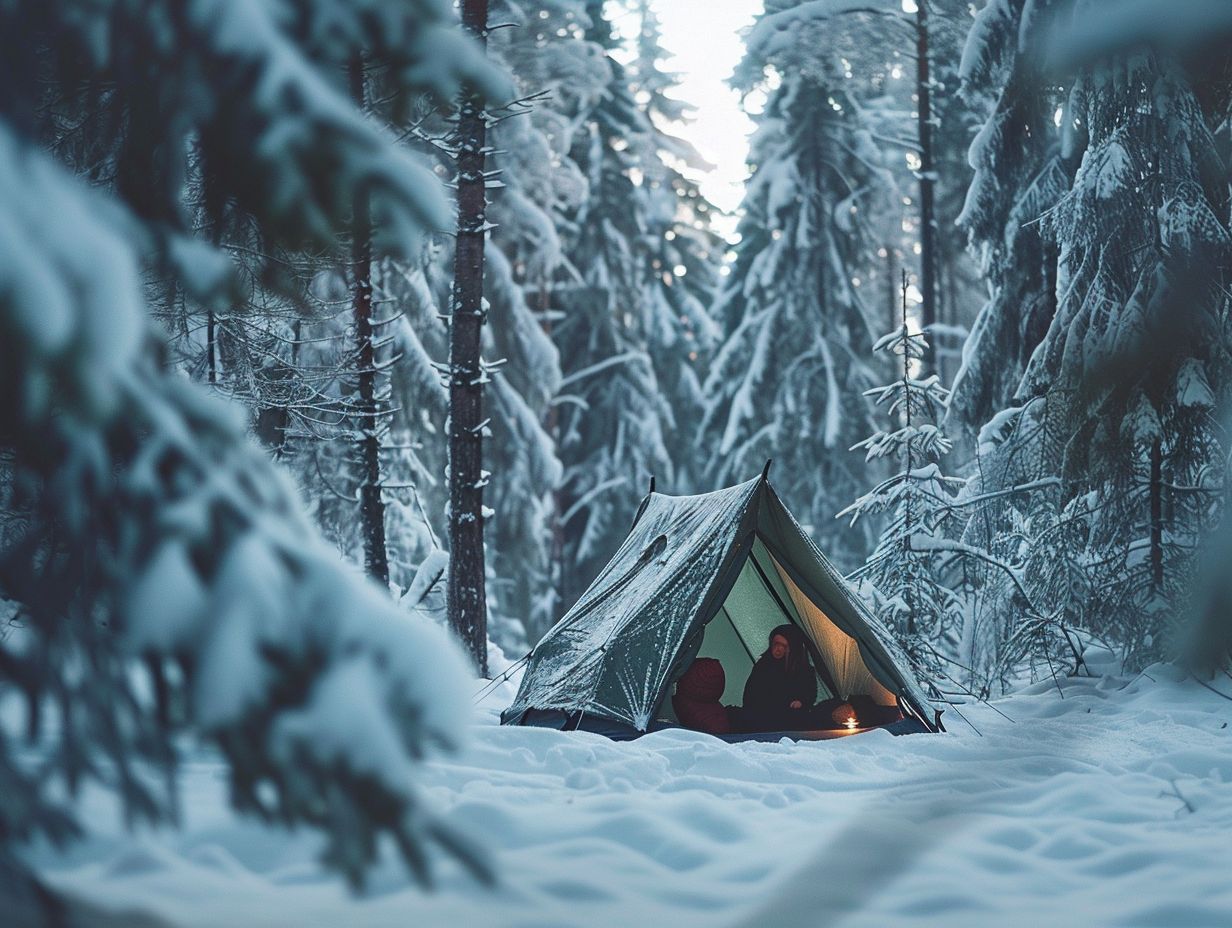 photo courtesy The Expert Camper
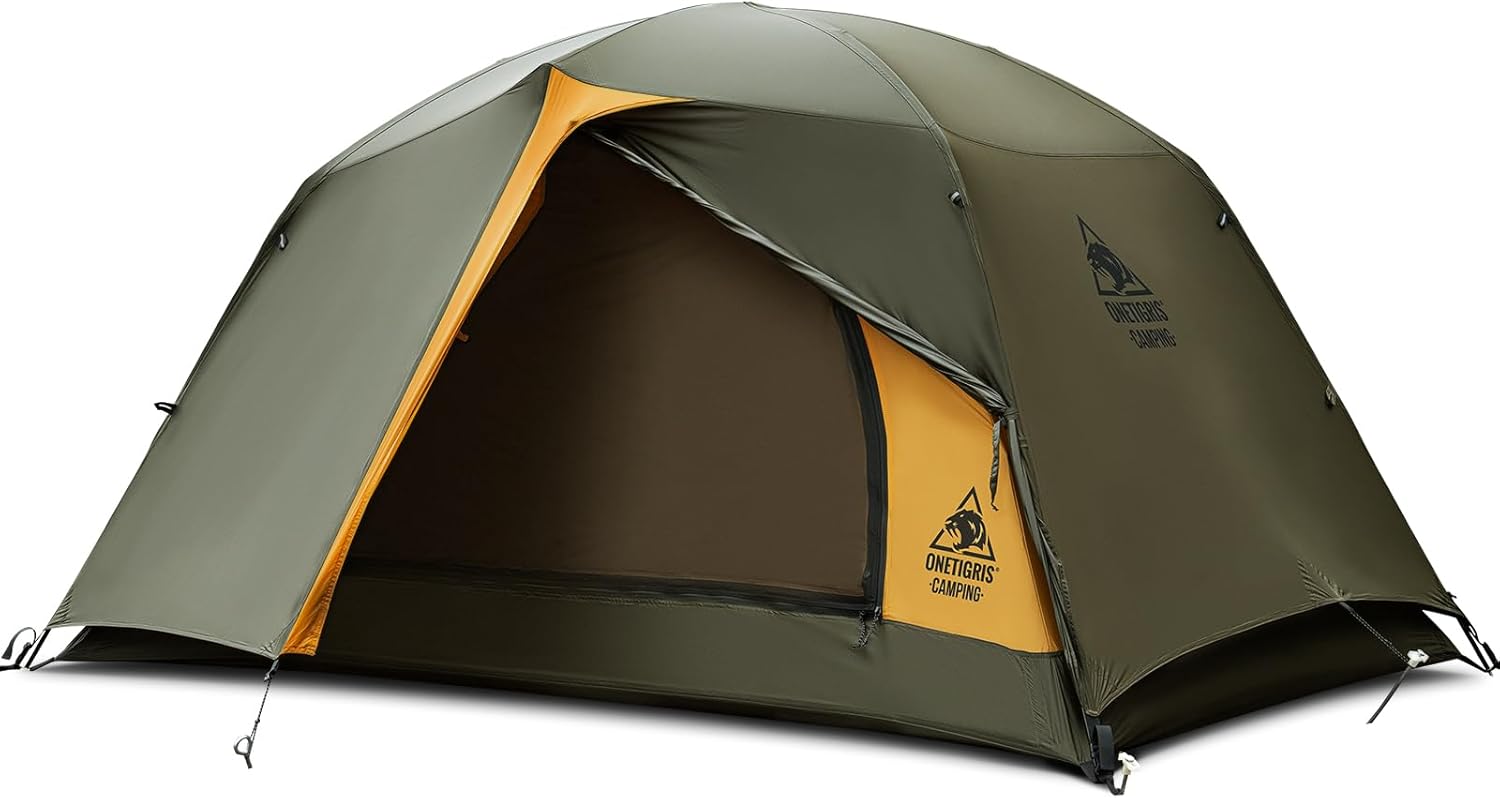
Now, let's talk about essential winter camping tips because being prepared makes all the difference between a miserable experience and an amazing adventure. First and foremost, invest in a four-season tent designed specifically for winter conditions.
These tents have stronger poles, fewer mesh panels, and better wind resistance than three-season tents. Your tent is your shelter from potentially life-threatening conditions, so don't skimp on quality here.
Click here for details and best price on the tent below.
Cold Weather Sleeping Bags
Your sleeping system is equally critical for winter camping success. You'll need a sleeping bag rated for temperatures at least 10-15 degrees colder than the coldest temperature you expect to encounter. Pair this with a high-quality insulated sleeping pad – preferably two pads stacked together for maximum insulation from the cold ground.
Many experienced winter campers use a closed-cell foam pad underneath an inflatable insulated pad. Remember, cold air underneath you is often more problematic than cold air above you.
Glamping in Winter!
For winter campers who want amenities without sacrificing the outdoor experience, many of the popular winter camping Canada destinations now offer "glamping" options. These include heated yurts, insulated cabins, and equipped tents with wood stoves.
Places like Parc National de la Mauricie, Quebec mentioned above and Fundy National Park in New Brunswick offer oTENTiks that provide a comfortable introduction to winter camping. These options let you experience winter in the wilderness while having a warm place to retreat to at night.
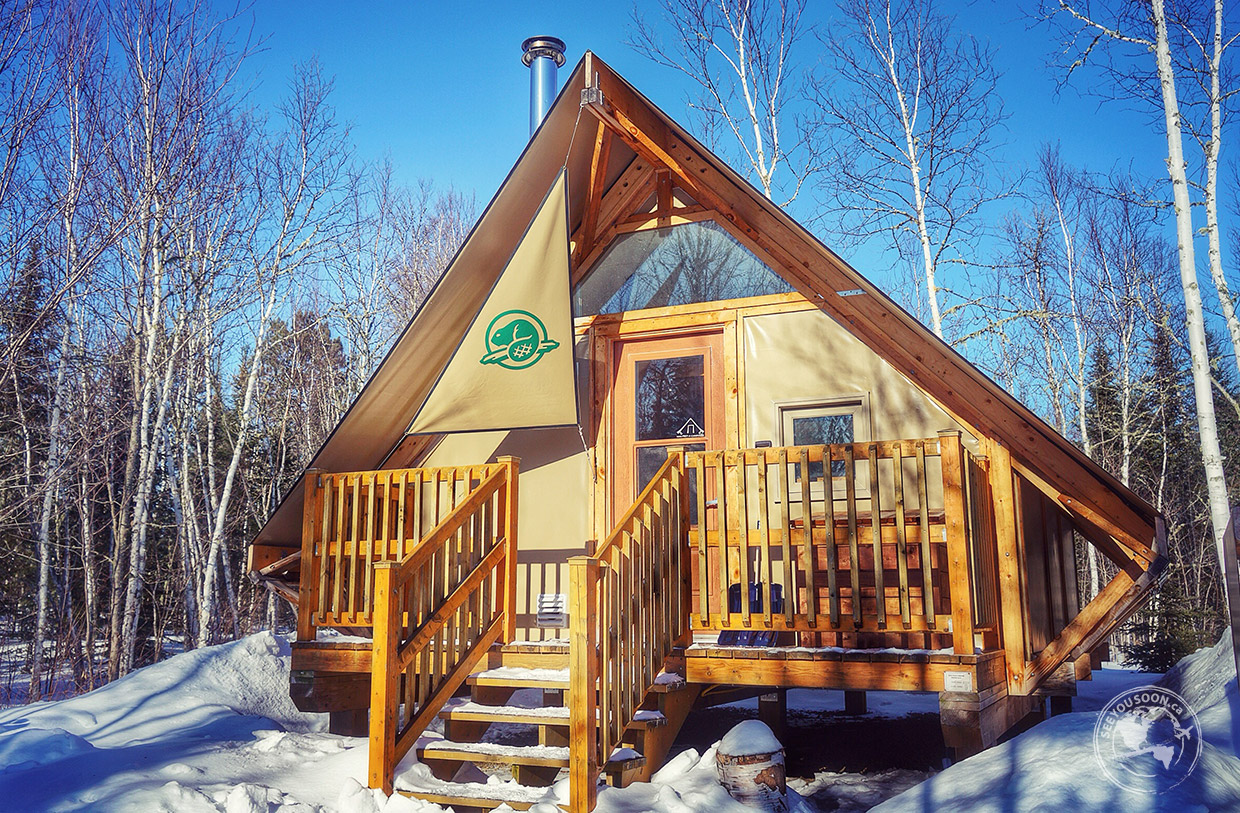 oTENTik accommodation in La Mauricie Park - photo courtesy SeeYouSoon Travel
Winter Clothing and Gear
Layering your clothing is an art form in winter camping. The key is the three-layer system: a moisture-wicking base layer next to your skin, an insulating mid-layer (like fleece or down), and a waterproof, breathable outer shell.
Avoid cotton at all costs – it retains moisture and will make you cold. Wool and synthetic materials are your friends. Don't forget quality winter boots rated for extreme cold, insulated gloves or mittens, and a warm hat that covers your ears.
Gear maintenance in winter conditions requires special attention. Keep electronics like phones and cameras warm by storing them inside your jacket – batteries drain quickly in cold temperatures. Bring extra batteries and keep them warm too.
Your gear will accumulate moisture from condensation and breath, so when possible, dry items during the day. Shake snow off your tent before it melts and refreezes. Keep zippers clean and lubricated to prevent them from freezing shut.
Nutrition
Staying hydrated and well-fed is more challenging in winter but absolutely essential. Your body burns significantly more calories trying to stay warm in cold conditions, so pack high-calorie foods that are easy to prepare. Think nuts, cheese, chocolate, dried fruits, and meals that require minimal cooking time.
Keep water bottles inside your sleeping bag at night to prevent them from freezing, and consider using insulated bottle covers during the day. Dehydration happens quickly in cold, dry winter air, even if you don't feel thirsty.
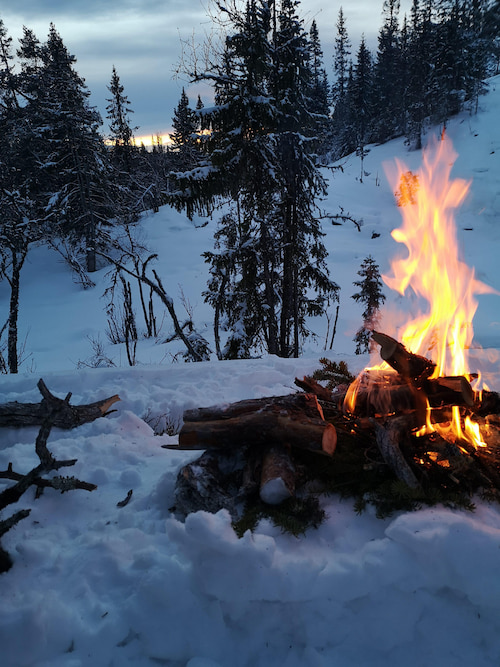
Fire management and cooking require different strategies in winter. Bring a reliable camp stove that works well in cold temperatures – liquid fuel stoves generally perform better than canister stoves in extreme cold. Keep fuel canisters warm by storing them in your sleeping bag or jacket.
If you're planning campfires, you'll need to dig through snow to reach the ground, and wet wood can be challenging to ignite. Bring fire starters and keep kindling dry in waterproof bags.
Stay Safe
Safety considerations for winter camping go beyond what you'd think about in summer. Always tell someone your detailed itinerary and expected return time. Carry emergency communication devices like a satellite messenger or personal locator beacon, especially in remote areas.
Know the signs of hypothermia and frostbite, and check weather forecasts obsessively before and during your trip. Winter weather can change rapidly, and what starts as a beautiful day can turn dangerous very quickly.
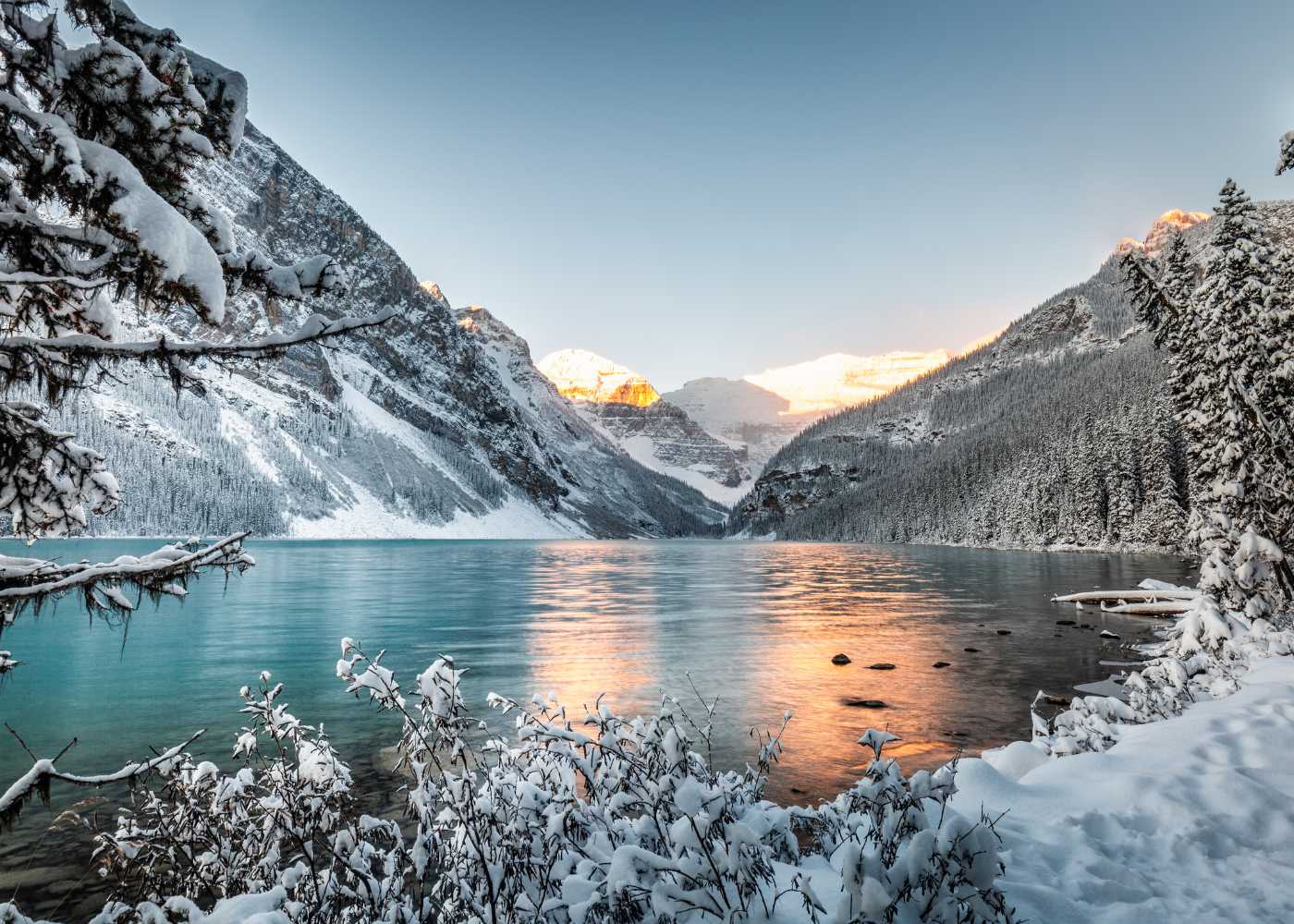 Beautiful Banff National Park in Winter
Mental preparation is just as important as physical preparation for winter camping. The short daylight hours of Canadian winters mean you'll spend long evenings in your tent. Bring books, cards, or other entertainment.
Embrace the slower pace and use the time for reflection and relaxation. Winter camping teaches patience and resilience – things don't happen as quickly when you're wearing thick gloves and everything is frozen. Accept that tasks will take longer and build extra time into your plans.
Conclusion
Winter camping in Canada offers experiences you simply can't have any other time of year. The solitude, the pristine snow-covered landscapes, the brilliant stars in clear, cold skies, and the sense of accomplishment from thriving in challenging conditions create memories that last a lifetime.
Whether you choose the dramatic mountains of Banff, the coastal beauty of Pacific Rim, the wilderness of Algonquin, or any of the other incredible destinations across this vast country, you're in for an adventure. Start with shorter trips close to home, invest in quality gear, learn essential winter survival skills, and gradually work your way up to more challenging expeditions.
The best winter camping destinations in Canada are waiting for you – embrace the cold and discover a side of the wilderness that most people never experience!
Geyoto Camping Electricity Solutions!
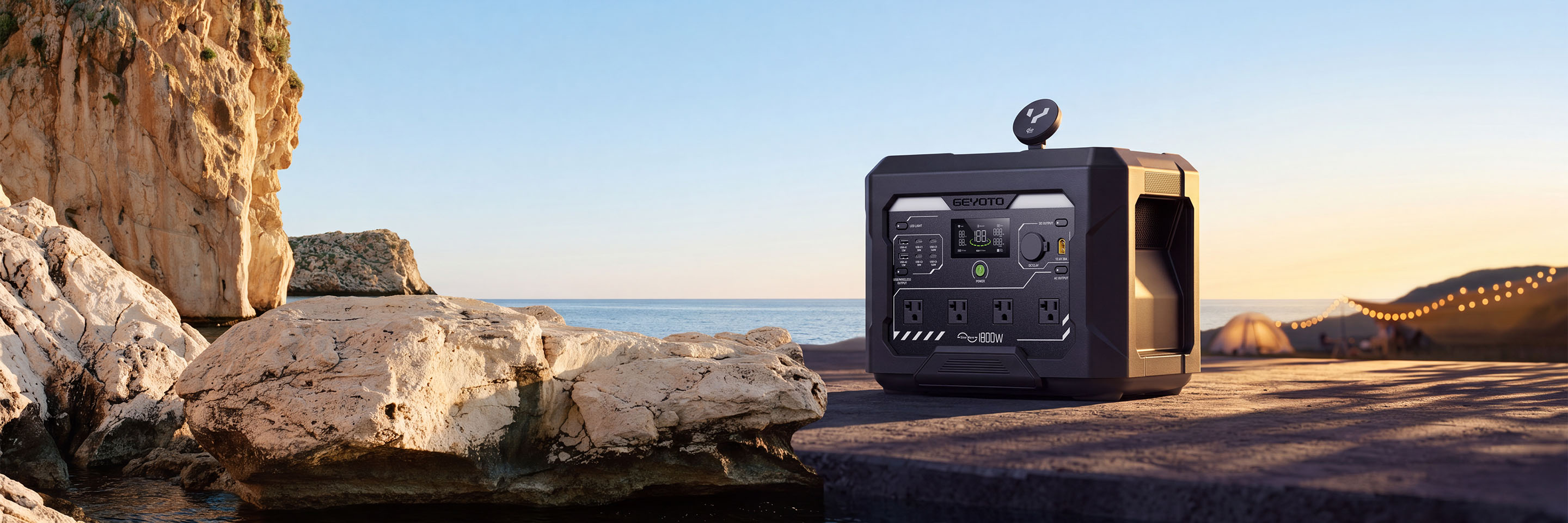
Check out the many products at Geyoto Technology Ltd for your camping electricity solutions - portable power stations, solar panels and more....
Click here to read more and get the best price!

Most Popular
KingCamp Khan Bell Tents
12% discount!
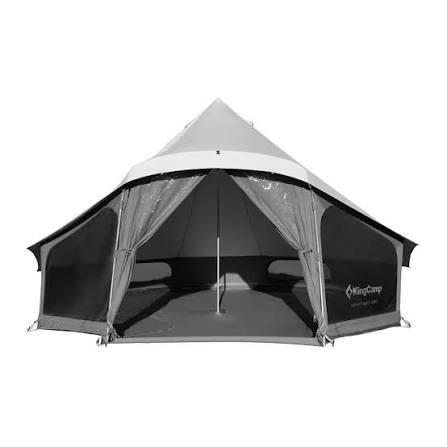
Upgrade your glamping experience with the KingCamp Khan Bell Tent Collection!
Click here to get 12% OFF with code AFFKHAN12
Recent Articles


-
Camping Electricity Solutions: Portable Power & Solar Guide
Oct 10, 26 03:11 AM
 Camping electricity solutions? No problem. Learn how to power lights, phones, laptops, and fridges off-grid using the Geyoto N1000 + S35/S45 power systems.
 -
Which Must-Have Gadgets For Camping Do You Really Need? Check It Out!
Sep 30, 26 04:11 AM
 If you are wondering which must-have gadgets for camping you REALLY need, look at our comprehensive guide! Discover what's useful and what's not.
 -
Tent Camping Checklist: Complete Gear and Supply List For Camping
Sep 29, 26 08:13 AM
 This tent camping checklist includes everything you'll need to make your next car camping trip a success!