- The Camping Family Home
- Family Camping Guide
- Planning a Family Camping Trip
- Tips for Camping With Dogs
Helping campers since 2011
Tips for Camping
with Dogs
Tips for Camping with Dogs - The Ultimate Guide!
There's nothing quite like heading out into the great outdoors with your four-legged best friend by your side. Whether you're a seasoned camper or planning your very first trip, bringing your dog along can make the whole experience even more memorable.
Dogs love the fresh air, the new smells, and the adventure just as much as we do. But camping with a dog does take a little extra planning. Don't worry though, with the right preparation, you and your pup are going to have an amazing time.
In this guide, we're going to walk you through everything you need to know, from packing the right gear to keeping your dog safe around the campfire.
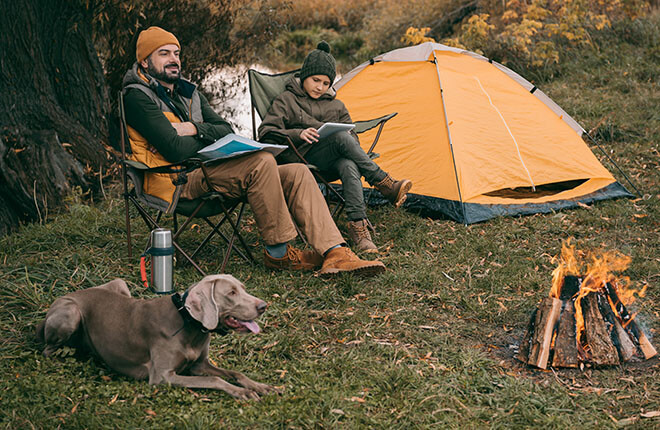 Image courtesy zoetispetcare
KingCamp Camping Equipment
BIG SALE!
Check out the current sale at KingCamp! Up to 40% off high-quality camping gear, tents, chairs, sleeping equipment, camping kitchens and more....all your outdoor essentials!
Click here to find your bargains!

Tips for Camping with Dogs
Is your dog ready for a camping trip?
Before you even start throwing things into your backpack, it's worth thinking about whether your dog is ready for a camping trip. Some dogs take to the outdoors like they were born for it, while others might find it a bit overwhelming.
If your dog is generally healthy, enjoys walks, and doesn't get too anxious in new environments, they're probably a great candidate for camping. However, if your dog has health issues, is very old, or gets extremely stressed in unfamiliar places, it's worth having a chat with your vet before you go.
A quick check-up before the trip is always a smart move, and it gives you peace of mind knowing your dog is fit and ready for the adventure ahead.
Health Issues
One of the most important tips for camping with dogs is to make sure all their vaccinations are up to date before you leave. When you're out in nature, your dog is going to come into contact with all kinds of wildlife, insects, and other animals. Diseases like leptospirosis, which is spread through contaminated water, are a real risk in outdoor environments.
Make sure your dog is also protected against fleas, ticks, and heartworm. Talk to your vet about the best preventative treatments for the area you're visiting. Ticks in particular can be a serious problem in wooded or grassy areas, and some of them carry Lyme disease, which can affect both dogs and humans. Being proactive about this stuff before you go can save you a lot of trouble later.
 Camping with dogs - image courtesy Wolf & Co
Campsite Location
Now let's talk about choosing the right campsite, because this decision can make or break your trip. Not all campsites are dog-friendly, so the first thing you need to do is check the rules before you book. Look for campsites that specifically welcome dogs and have clear policies about leashes and designated dog areas.
Ideally, you want a campsite that's close to walking trails, open fields, or natural water sources where your dog can splash around and burn off energy. Wooded campsites are great because they offer shade and interesting smells for your dog to explore. Avoid campsites that are too close to busy roads or that have a lot of foot traffic, as this can stress out some dogs.
The more space and natural surroundings you have, the happier your dog is going to be.
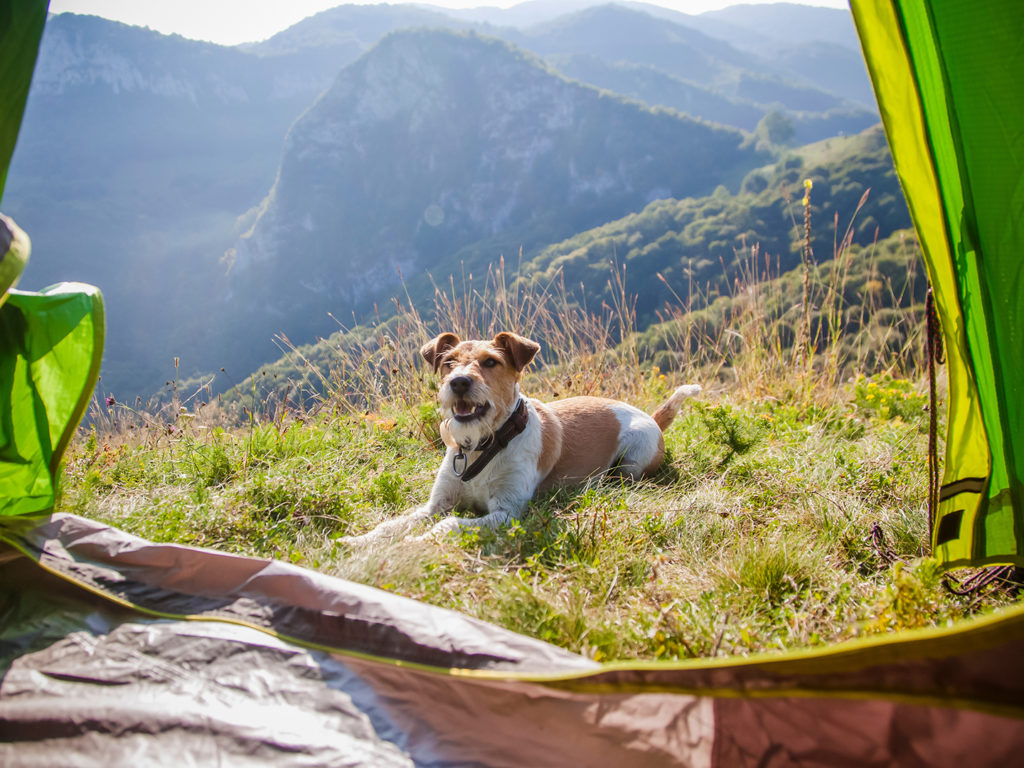 A mountain location
When it comes to tips on camping with dogs, location really is everything. Try to find a campsite that's near good walking areas - think forest trails, lakeside paths, or open moorland. Dogs need regular exercise, and having great walking routes right on your doorstep means you can give your pup the physical activity they need without having to drive anywhere.
Planning a few different walks of varying lengths is a good idea, so you can choose based on how energetic everyone is feeling on the day. A tired dog is a happy dog, and a happy dog makes for a great camping trip.
Packing List
Packing the right gear for your dog is just as important as packing your own stuff. Let's start with the basics.
You'll need to bring enough food for the entire trip, plus a little extra just in case. Keep the food in a sealed, waterproof container to protect it from moisture and wildlife.
Don't forget your dog's regular bowls for food and water - collapsible silicone bowls are a brilliant option because they're lightweight and pack down small. Always bring more water than you think you'll need, especially if you're camping somewhere without a reliable fresh water source. Dehydration is a real risk for dogs, especially if they're running around in warm weather.
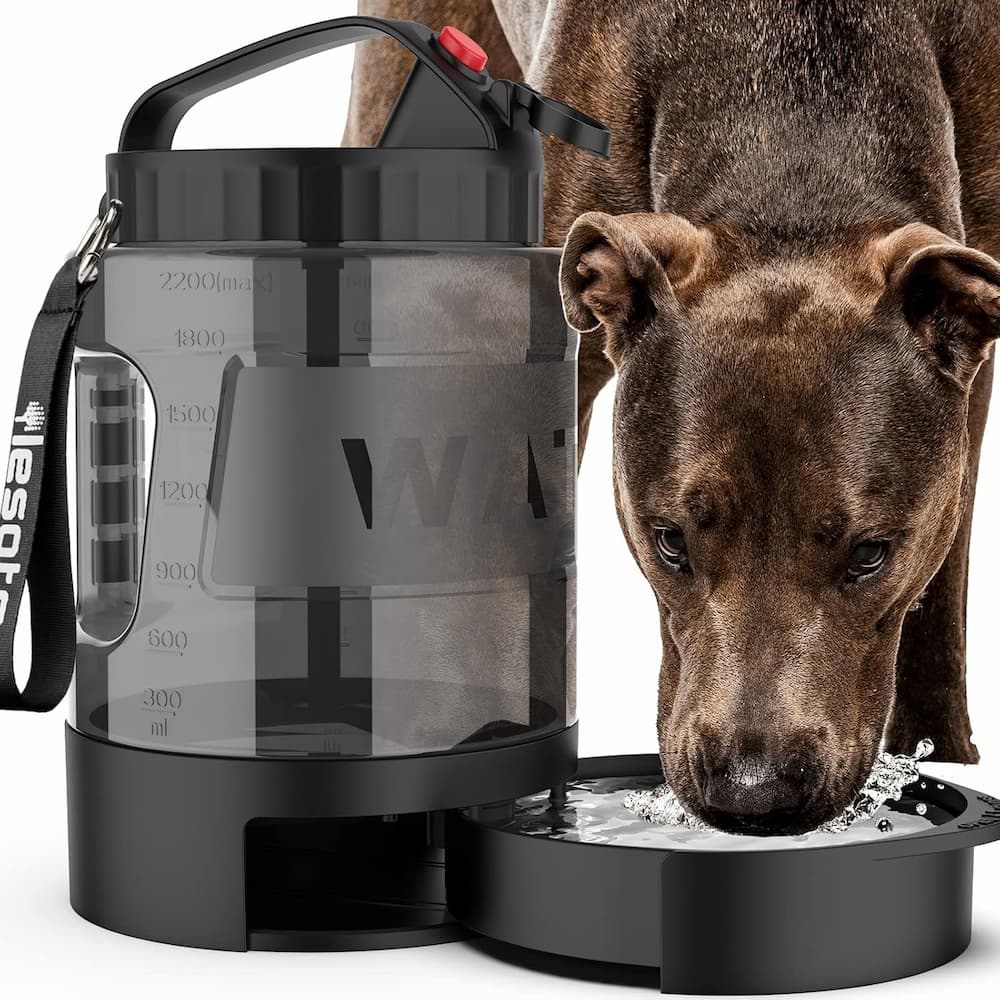
A portable water bottle with an attached dog bowl is one of those camping accessories that you'll wonder how you ever lived without!
The one below comes in different sizes and has a leak-proof design. A perfect addition to your dog equipment camping list. You can read more and purchase here.
Your dog's leash and collar are absolute essentials, but you might want to think about upgrading your setup for camping. A longer leash, around 20 to 30 feet, gives your dog more freedom to explore while still keeping them under control.
A harness is often a better choice than a collar for outdoor adventures, as it distributes pressure more evenly and gives you better control if your dog suddenly spots a squirrel and decides to bolt. Make sure your dog is wearing an ID tag with your current contact information at all times.
It's also a really good idea to get your dog microchipped if they aren't already. If your dog does manage to slip away from you in an unfamiliar area, a microchip dramatically increases the chances of being reunited with them.
Best Dog Bed for Camping
Let's talk about one of the most underrated pieces of camping gear for dogs - a good quality dog bed. When you're camping with a dog, you want them to be comfortable and well-rested, just like you do. Sleeping on hard, cold ground isn't great for any dog, especially older ones or breeds with joint issues.
The best dog bed for camping is one that's lightweight, easy to pack, and provides good insulation from the ground. Look for a self-inflating dog sleeping pad or a foam camping mat designed specifically for dogs. Some brands make dog sleeping bags that are perfect for cooler nights. Waterproof or water-resistant materials are a must, because let's face it, dogs don't always stay dry.
A good camping dog bed will keep your pup warm, comfortable, and off the damp ground, which means they'll sleep better and so will you.
ONETIGRIS Travel Dog Bed
The ONETIGRIS Travel Dog Bed is a great option!
It features:
- Waterproof and Anti-Slip Travel Dog Bed: has the waterproof functionality you need. PVC fabric bottom side that’s waterproof, doesn’t slide, and is grease/abrasion resistant for use in the outdoors
- Polyester cotton filling to provide comfort and warmth , the front side is skin-friendly, extra soft velvet, and the layered polyester cotton filling wonderfully cushions your dog. No rustling:super quiet
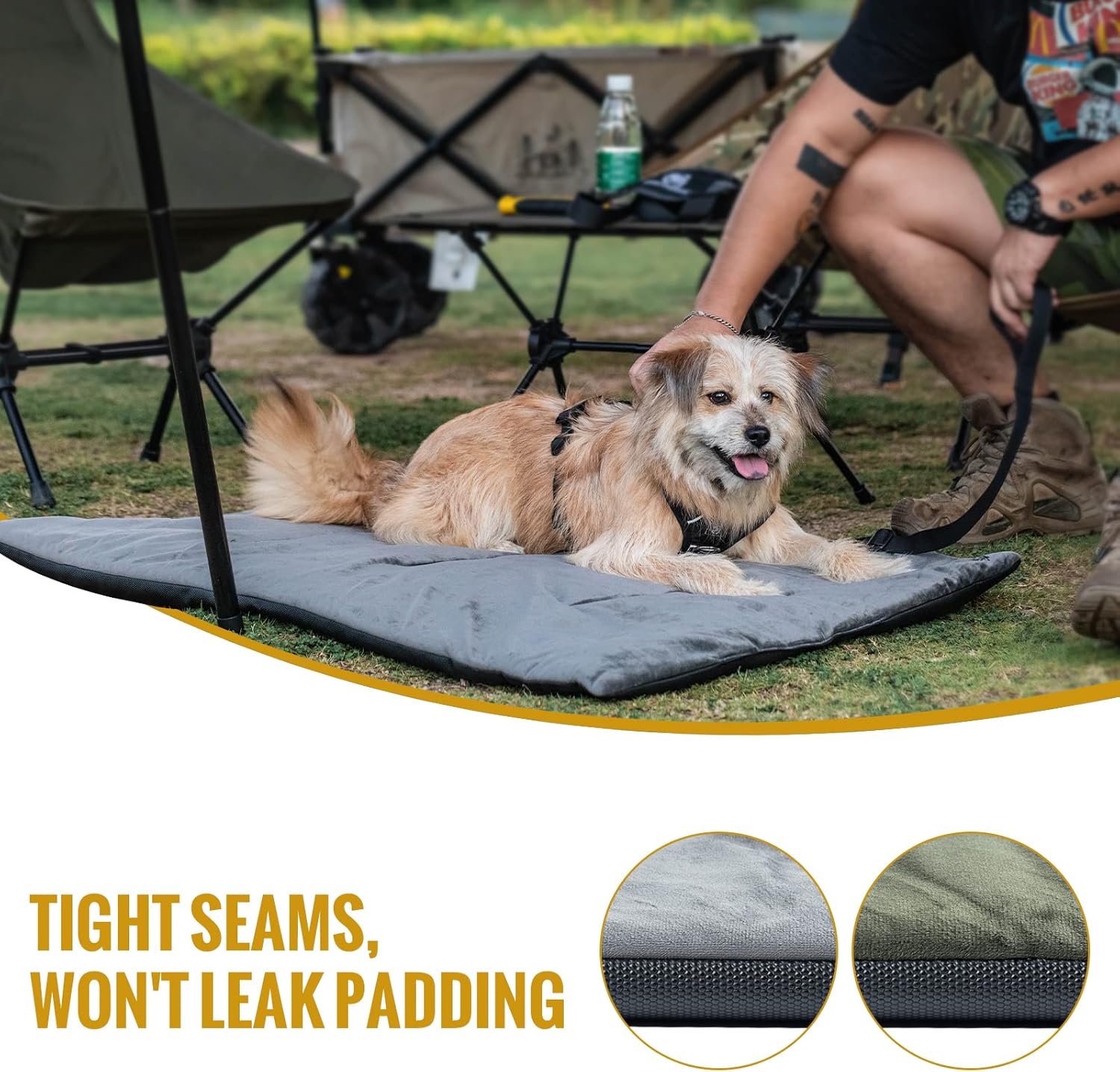
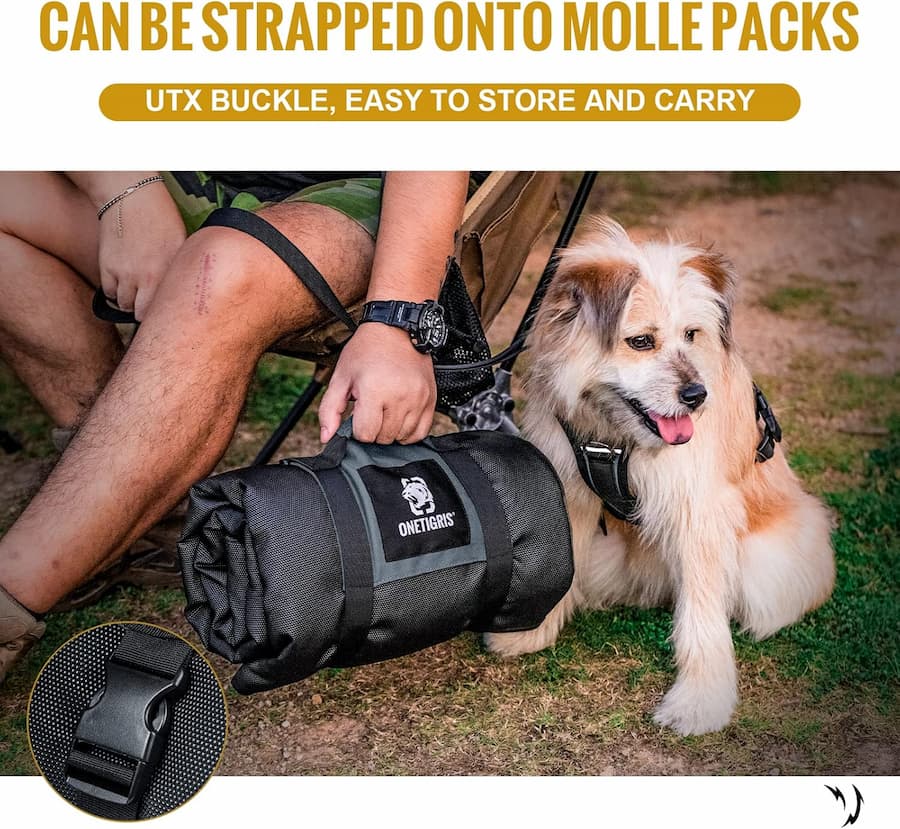
It measures 43” by 27” and spreads out easily via UTX-Duraflex quick-release buckles. It rolls up small for efficient storage; comes with a grab handle for hassle-free transportation. See image below.
You can read more and purchase here.
Safety Tips
Safety is a huge part of tips for camping with dogs, and there are a few key things to keep in mind around the campsite itself.
Campfires are one of the biggest hazards. Dogs are naturally curious, and a flickering flame can be very tempting to investigate. Set up a clear boundary around your fire pit and train your dog to stay back. Never leave your dog unattended near an open fire. Hot embers can remain dangerous long after the flames have died down, so keep your dog away from the fire pit area even after you've put the fire out.
Also be careful about where you set up camp chairs and cooking equipment - dogs can easily knock things over or burn themselves on a camp stove if they get too close.
Wildlife
Another important safety consideration is wildlife. Depending on where you're camping, you might be in territory shared by bears, coyotes, snakes, or other potentially dangerous animals. Keep your dog on a leash, especially at dawn and dusk when wildlife is most active.
Never let your dog chase or approach wild animals - this is dangerous for both the dog and the animal. Store your dog's food securely, just like you would your own food, to avoid attracting wildlife to your campsite. Bear canisters or hanging food from a tree are common methods used by experienced campers.
A dog barking at night might actually deter some wildlife, but it's still best to keep your dog close and secure after dark.
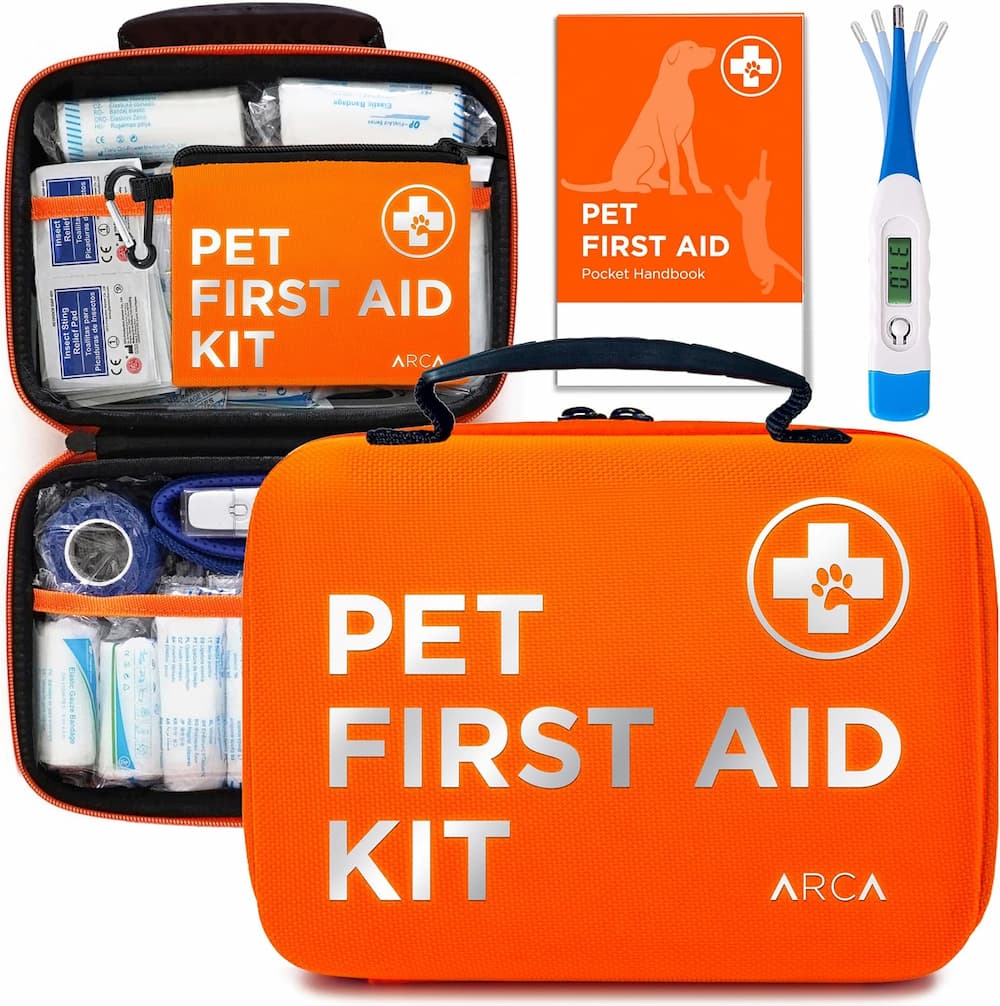
First Aid Kit
Bringing a well-stocked first aid kit is one of those tips on camping with dogs that experienced campers always swear by. Your kit should include items specifically for your dog, not just for humans. Here's a quick list of what to include:
- Bandages and gauze pads
- Antiseptic wipes and spray
- Tweezers for removing ticks or splinters
- Saline solution for cleaning wounds or flushing eyes
- A digital thermometer
- Antihistamine tablets (check the correct dose with your vet)
- Any prescription medications your dog takes regularly
- A copy of your dog's vaccination records
- Your vet's phone number and the number of a local emergency vet near your campsite
Having these supplies on hand means you can deal with minor injuries quickly and calmly, without having to make a panicked trip to find a vet in the middle of nowhere.
The kit below is vet endorsed, and also includes a comprehensive first aid manual with essential instructions for treating everything from snake bites to minor injuries, making it a dog must have for your pet’s hiking and camping gear.
You can read more about this readymade kit and purchase here.
Keep your Dog Hydrated
Keeping your dog hydrated is something you need to stay on top of throughout the day, especially if the weather is warm or your dog is being particularly active. Dogs can overheat faster than you might think, and heatstroke is a genuine danger.
Signs of overheating include excessive panting, drooling, lethargy, and in severe cases, vomiting or collapse. If you notice any of these signs, move your dog to a shaded area immediately, offer them cool (not ice cold) water, and apply cool wet cloths to their paws and neck.
Avoid exercising your dog during the hottest part of the day - early mornings and evenings are much better for walks when it's warm. Always make sure there's a shady spot at your campsite where your dog can rest and cool down.
Mental Wellbeing
Camping with a dog also means thinking about their mental wellbeing, not just their physical health. New environments can be exciting but also a little overwhelming for some dogs.
Bringing familiar items from home can really help your dog feel more settled. Their favorite toy, a blanket that smells like home, or even a worn t-shirt of yours can provide comfort and reassurance. Stick to your dog's regular feeding and walking schedule as much as possible - routine is really calming for dogs.
If your dog seems anxious or unsettled when you first arrive at the campsite, give them time to sniff around and explore at their own pace. Don't rush them. Let them get comfortable with the new environment before you start introducing them to new activities.
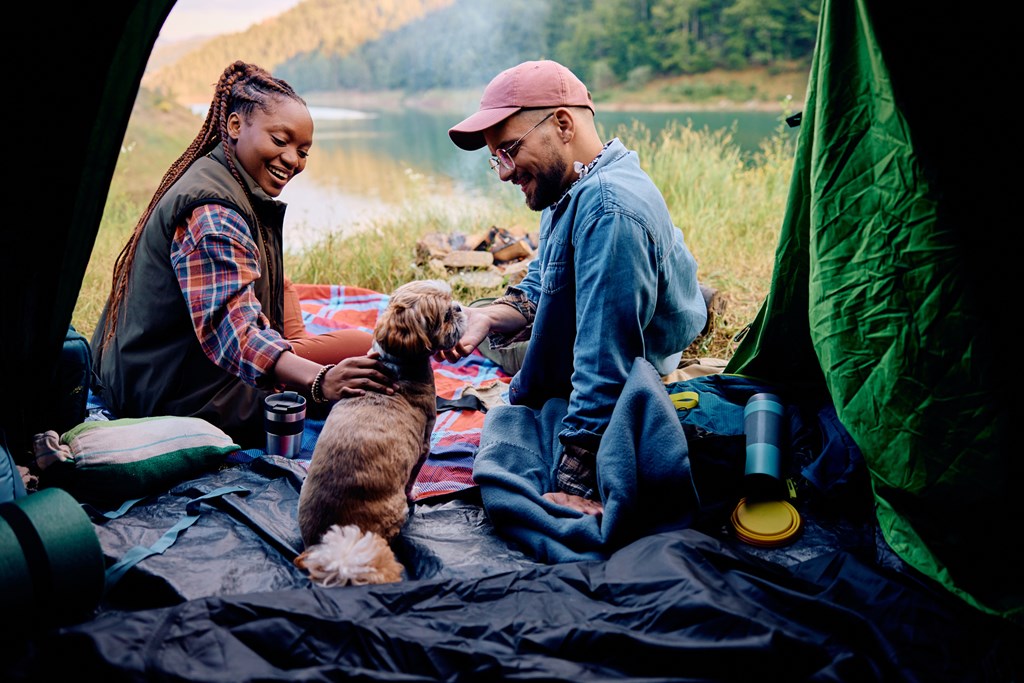 Keeping your dog settled - photo courtesy KOA
Clean up after your pet!
One thing that catches a lot of first-time dog campers off guard is the issue of dog waste. You absolutely must clean up after your dog, no matter where you are. Most campsites have strict rules about this, and for good reason - nobody wants to step in a surprise on the trail.
Pack plenty of biodegradable dog waste bags and always carry them with you on walks. Some campsites have designated waste disposal points, but if you're camping in a more remote area, you may need to bury waste at least 200 feet away from water sources, trails, and campsites. This is standard Leave No Trace practice.
Being a responsible dog owner in the outdoors means leaving the environment as clean as you found it, so that everyone - and every dog - can enjoy it in the future.
Sleeping Arrangements
Let's talk about sleeping arrangements, because this is something that comes up a lot when people are planning their first camping trip with a dog. Some people let their dog sleep in the tent with them, while others prefer to set up a separate sleeping area.
If your dog is used to sleeping in your bed at home, they're probably going to want to be close to you in the tent too. This is actually a great option because your body heat will help keep them warm, and being close to you will help them feel secure.
If you do let your dog sleep in the tent, make sure they're clean and dry before they come in - a wet, muddy dog in a sleeping bag is not a fun experience. A quick wipe down with a dog towel before bedtime can save you a lot of hassle.
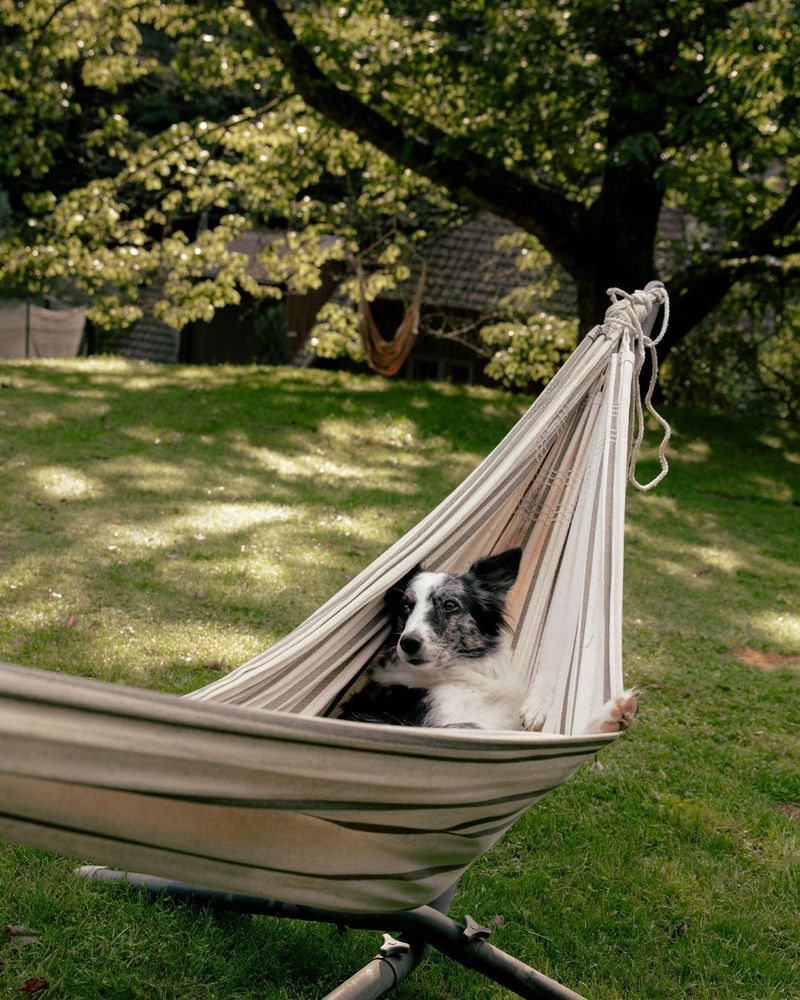 Taking it easy!
Night-time can bring its own set of challenges when you're camping with a dog. Some dogs get spooked by unfamiliar sounds - owls hooting, branches cracking, or other campers moving around. If your dog tends to bark at night, this can disturb other campers and create tension at the campsite.
A few things that can help include keeping your dog close to you, using a white noise app on your phone to mask background sounds, and making sure your dog has had plenty of exercise during the day so they're genuinely tired at bedtime. If your dog is a real night-time barker, it might be worth practicing some quiet commands before the trip so you have a reliable way to settle them down when needed.
Plan for the Weather
Weather is another factor you need to plan for carefully. Dogs can struggle in both extreme heat and extreme cold. If you're camping in hot weather, as we mentioned earlier, shade and hydration are your best friends.
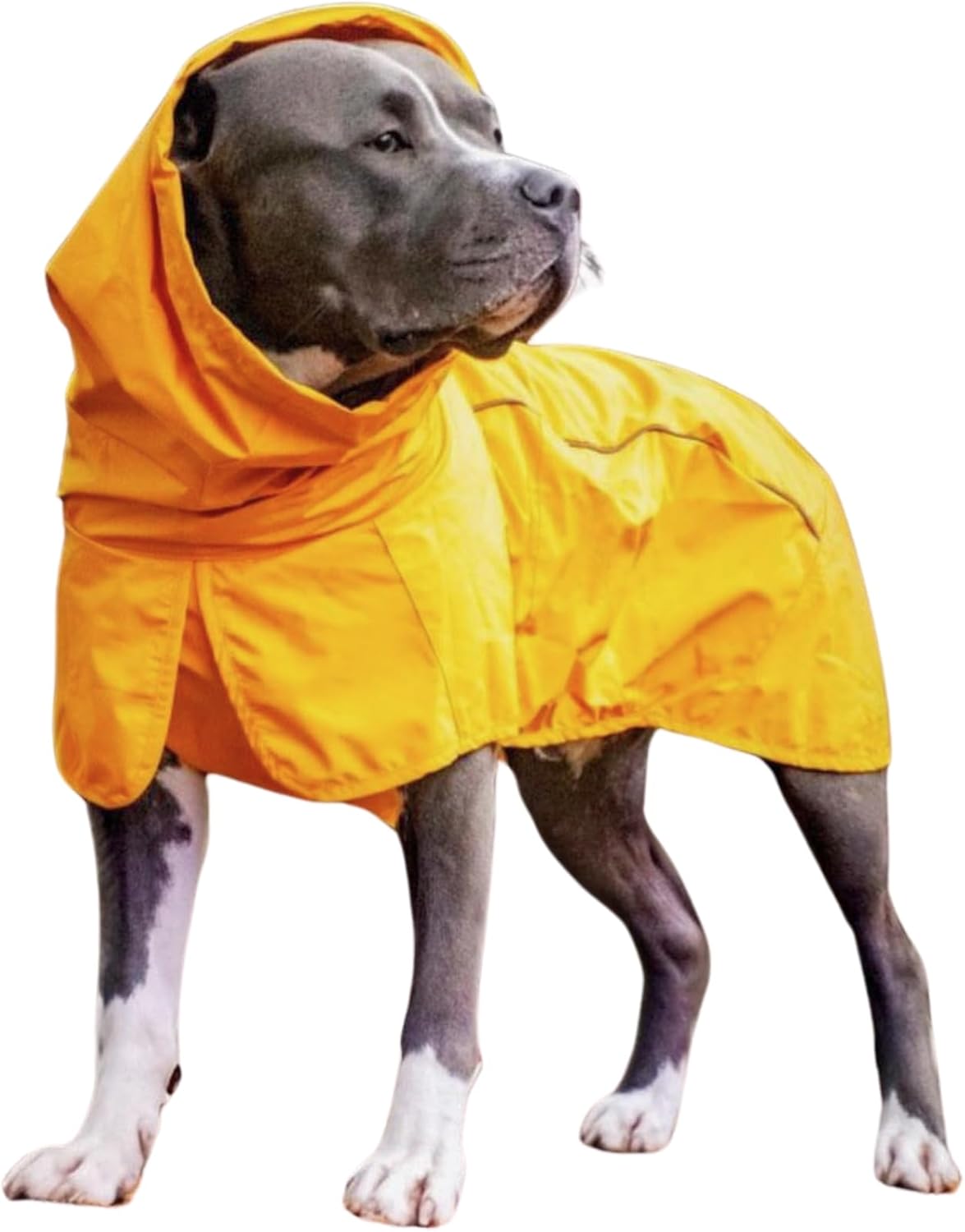
In cold weather, smaller dogs, short-haired breeds, and older dogs may need an extra layer of warmth. A dog jacket or sweater can make a big difference on chilly nights. Waterproof dog coats, like the one pictured below, are great for rainy days on the trail.
You can read more about this particular coat and purchase here.
Always check the weather forecast before you leave and pack accordingly. If severe weather is predicted, thunderstorms, high winds, or extreme temperatures, it might be worth reconsidering your plans or having a backup option like a dog-friendly cabin or lodge nearby.
Hiking with your Dog
If you're going to be hiking as part of your camping trip, there are a few extra things to consider for your dog. Not all trails are suitable for all dogs - steep or rocky terrain can be tough on paws and joints.
Check the trail difficulty before you go and be honest about your dog's fitness level. Dog boots are a great investment for protecting your dog's paws on rough terrain, hot sand, or rocky paths. They take a bit of getting used to, so it's worth introducing them at home before the trip.
A dog backpack is another fun option for longer hikes - many dogs actually enjoy carrying their own supplies, and it gives them a sense of purpose. Just make sure the pack isn't too heavy - a good rule of thumb is no more than 10 to 12 percent of your dog's body weight.
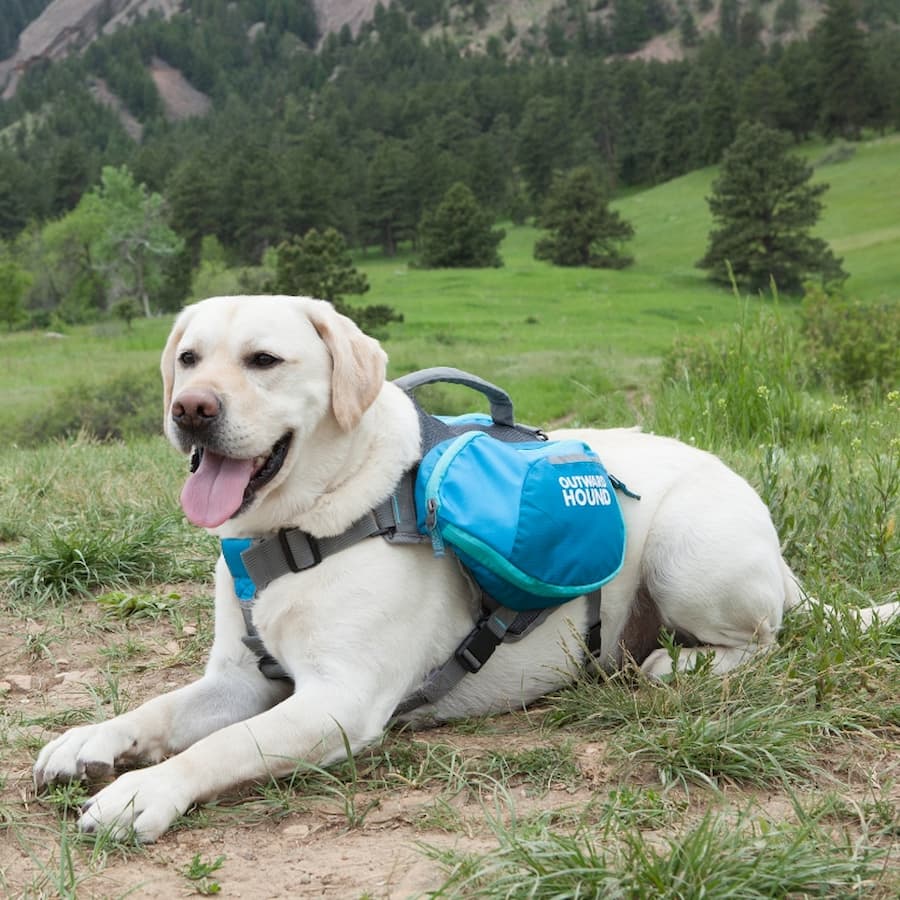 Dog with a backpack - photo courtesy PetTech
Your Dog's Behavior
Socializing and etiquette around other campers is something that's easy to overlook but really important. Not everyone at the campsite is going to be a dog lover, and some people may be nervous around dogs or have allergies.
Always keep your dog on a leash in shared areas and ask before letting your dog approach other people or their pets. Make sure your dog is well-trained in basic commands like sit, stay, come, and leave it. These commands can be lifesavers in a campsite environment.
If your dog is reactive or doesn't get along well with other dogs, try to choose a campsite that's less crowded, or set up your tent in a spot that gives you a bit more space from other campers. Being a considerate dog owner makes the experience better for everyone.
Have a Trial Run!
One of the best tips for camping with dogs is to do a trial run before your big trip. If your dog has never been camping before, a one-night trip somewhere close to home is a great way to test the waters. You'll quickly find out how your dog handles sleeping in a tent, being in a new environment, and spending extended time outdoors.
It also gives you a chance to figure out what you've forgotten to pack before you're miles from the nearest shop. Think of it as a practice run - any issues that come up are much easier to deal with when you're close to home. Most dogs absolutely love camping once they've done it a few times, and that first trip is often all it takes for them to become total outdoor enthusiasts.
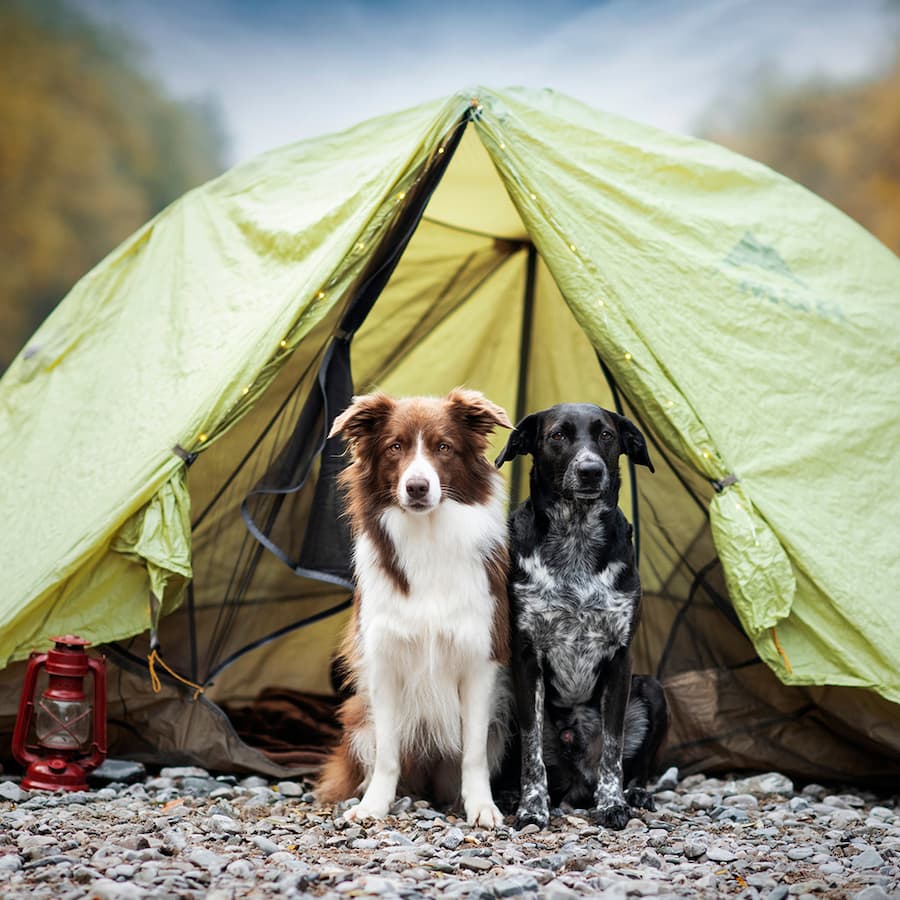
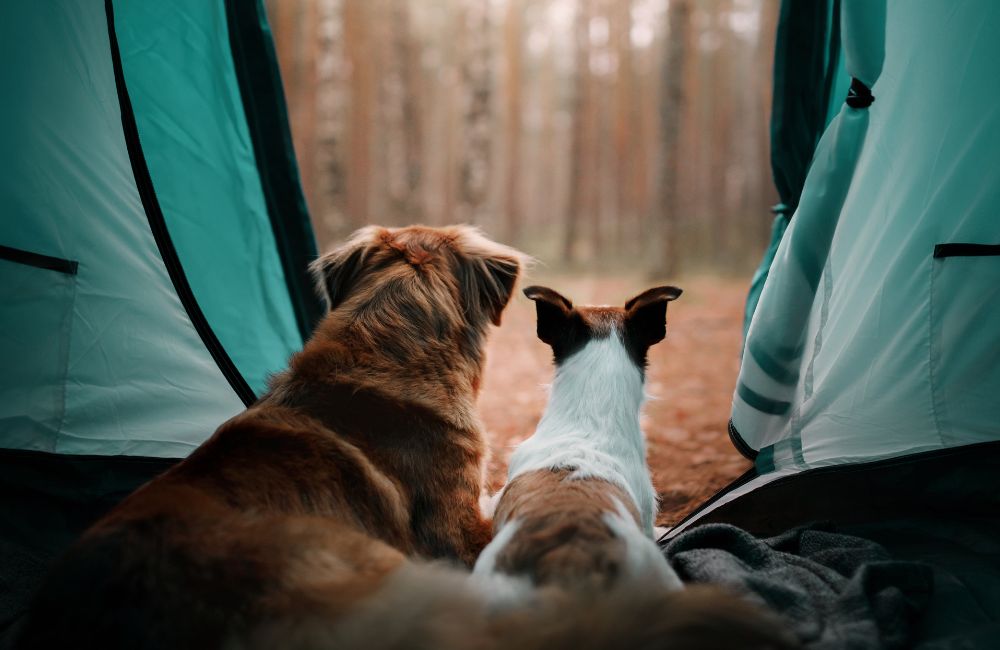 Content in the Tent! Photo courtesy Adams
Essential Items Checklist
Let's do a quick recap of the essential items you should always pack when camping with a dog:
- Enough food and treats for the whole trip, plus extra
- Collapsible food and water bowls
- Plenty of fresh water
- Leash, harness, and ID tags
- Dog first aid kit
- Flea, tick, and heartworm prevention
- Dog bed or sleeping pad
- Dog towel for drying off
- Biodegradable waste bags
- Familiar items from home (toys, blanket)
- Dog jacket or sweater for cold nights
- Dog boots for rough terrain (optional but recommended)
- Vaccination records and vet contact information
Having this list checked off before you leave means you're not scrambling to find things once you're out in the middle of nowhere. A little preparation goes a long way.
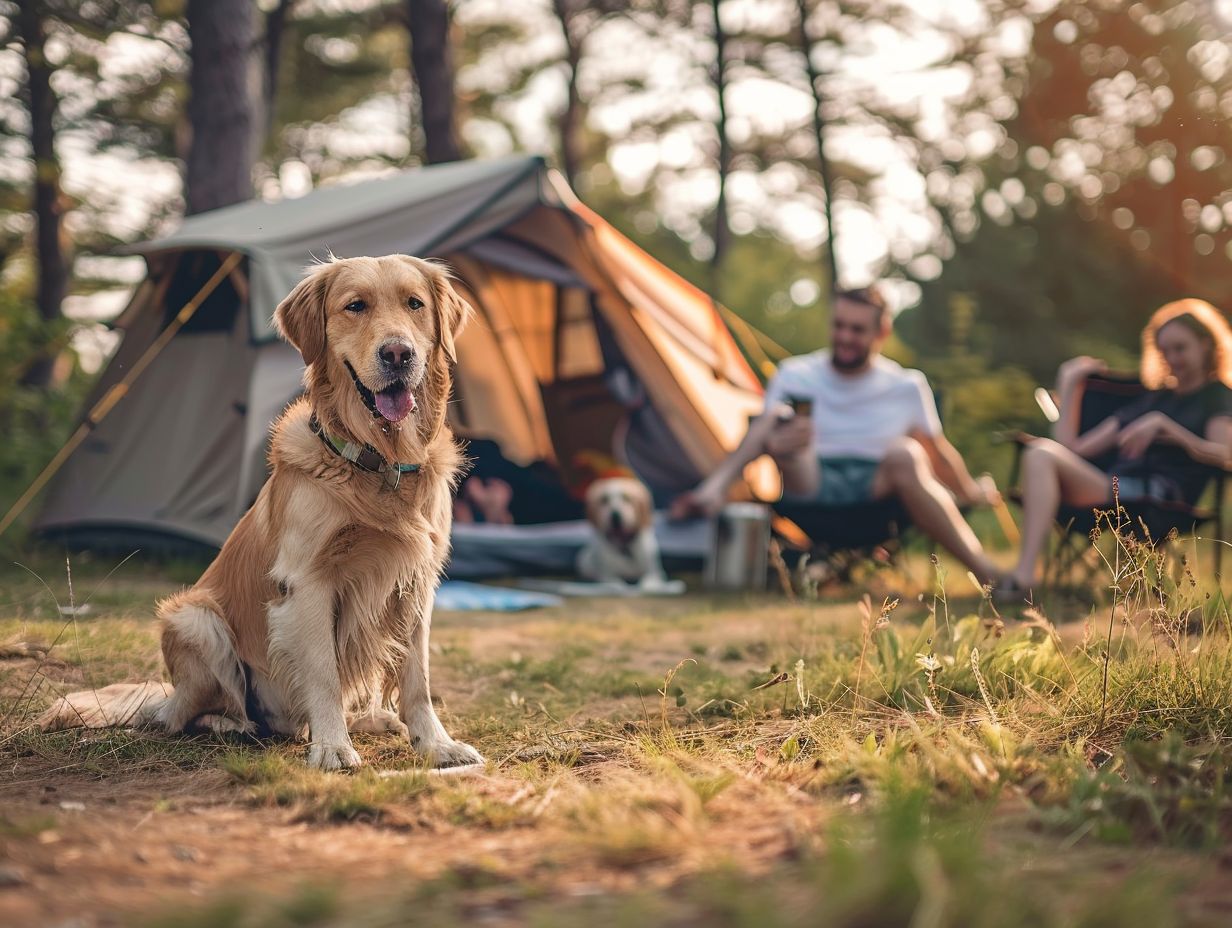 Happy Camping Days - photo courtesy The Expert Camper
Conclusion
At the end of the day, camping with a dog is one of the most rewarding experiences you can have as a pet owner. There's something really special about watching your dog explore a forest trail, splash in a stream, or curl up contentedly by the campfire after a big day of adventure.
With the right preparation, the right campsite, and a bit of patience, you and your dog are going to create memories that last a lifetime. Use these tips for camping with dogs as your starting point, and don't be afraid to adapt them to suit your dog's individual personality and needs.
Every dog is different, and part of the fun is figuring out what makes your particular pup the happiest camper in the woods. So get out there, embrace the adventure, and enjoy every tail-wagging moment of it!
Geyoto Camping Electricity Solutions!
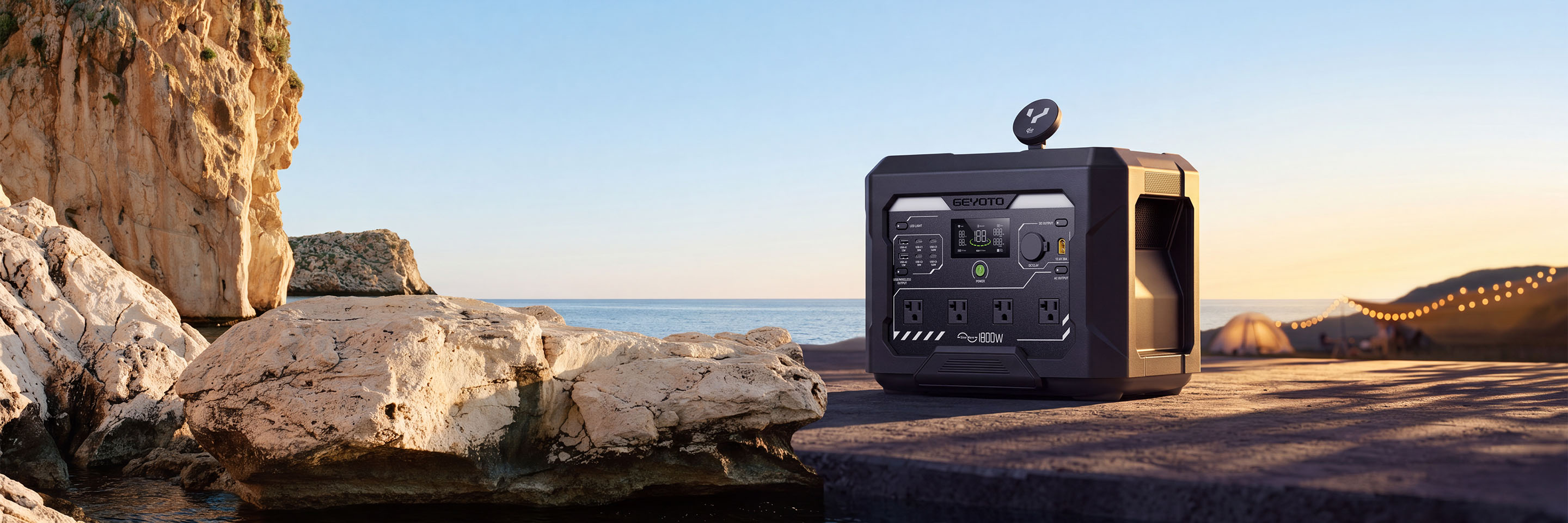
Check out the many products at Geyoto Technology Ltd for your camping electricity solutions - portable power stations, solar panels and more....
Click here to read more and get the best price!

Most Popular
KingCamp Khan Bell Tents
12% discount!
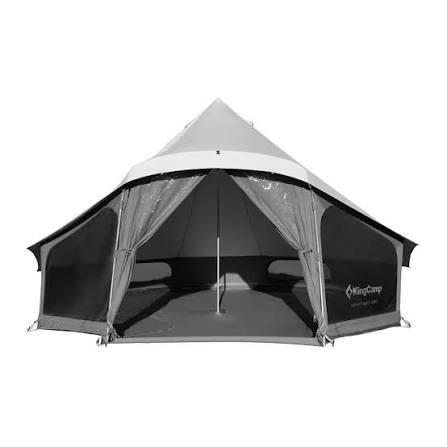
Upgrade your glamping experience with the KingCamp Khan Bell Tent Collection!
Click here to get 12% OFF with code AFFKHAN12
Recent Articles


-
Which Must-Have Gadgets For Camping Do You Really Need? Check It Out!
Sep 30, 26 04:11 AM
 If you are wondering which must-have gadgets for camping you REALLY need, look at our comprehensive guide! Discover what's useful and what's not.
 -
Tent Camping Checklist: Complete Gear and Supply List For Camping
Sep 29, 26 08:13 AM
 This tent camping checklist includes everything you'll need to make your next car camping trip a success!
 -
The Perfect Family Camping List; Make Sure You Take Everything!
Sep 29, 26 08:10 AM
 Begin your camping trip prepared and relaxed when you use these handy lists. I have an RV camping list, a tenting list, a beach list and more!